What limits Avalanche subnet-based DeFi clusters?
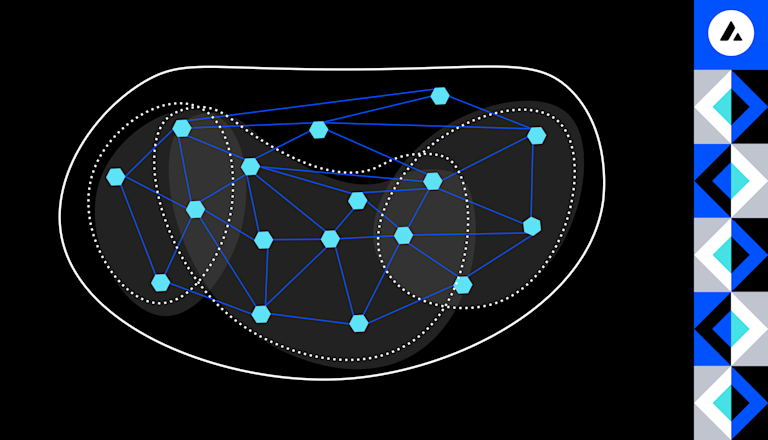
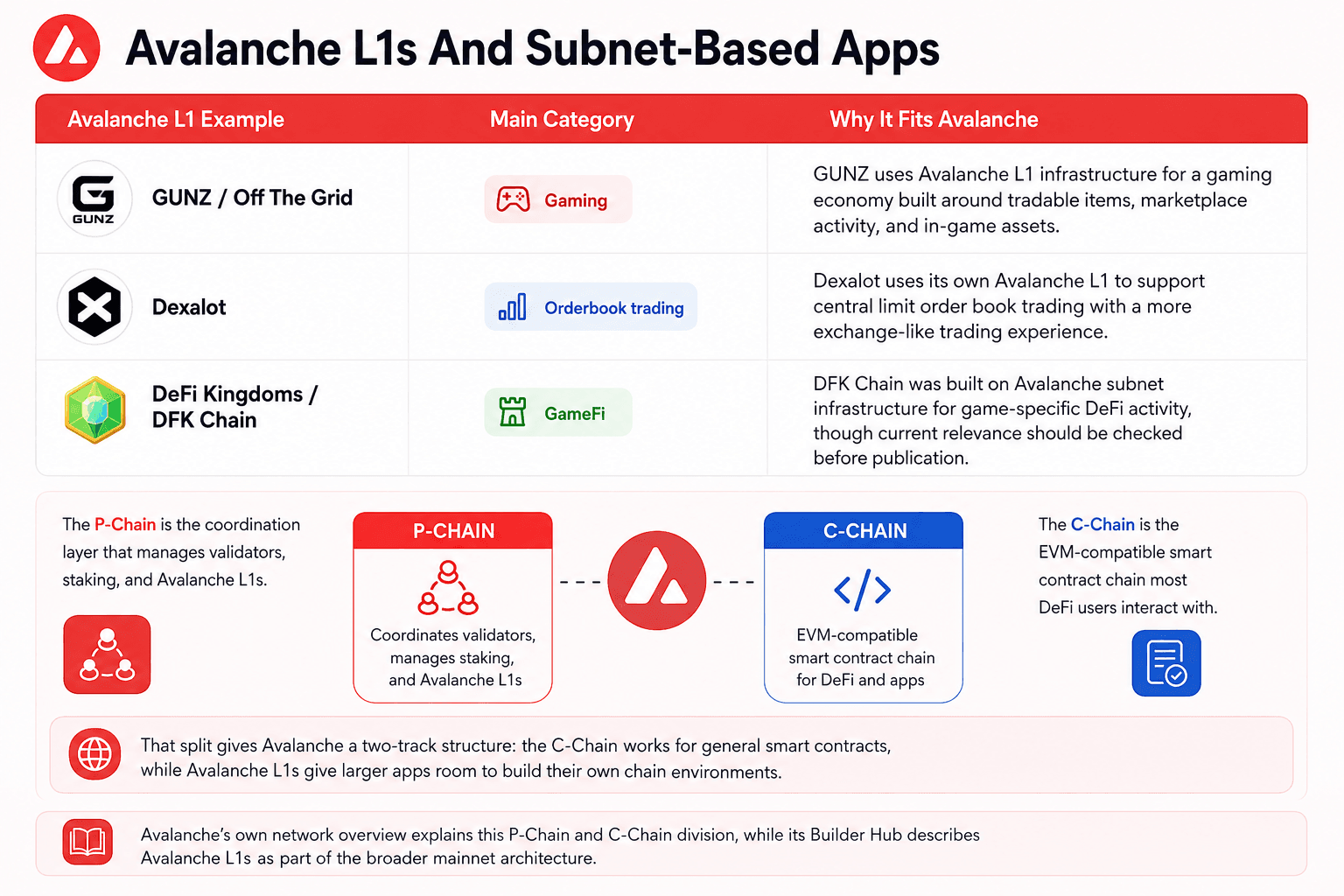
Avalanche subnet-based DeFi clusters offer isolated environments for specialized applications, but they introduce significant structural constraints that affect liquidity and user experience. Unlike the shared security of the C-Chain, each subnet operates as its own sovereign network. This isolation is the primary bottleneck: liquidity does not automatically flow between subnets, creating fragmented markets that resemble distinct, smaller chains rather than a unified ecosystem.
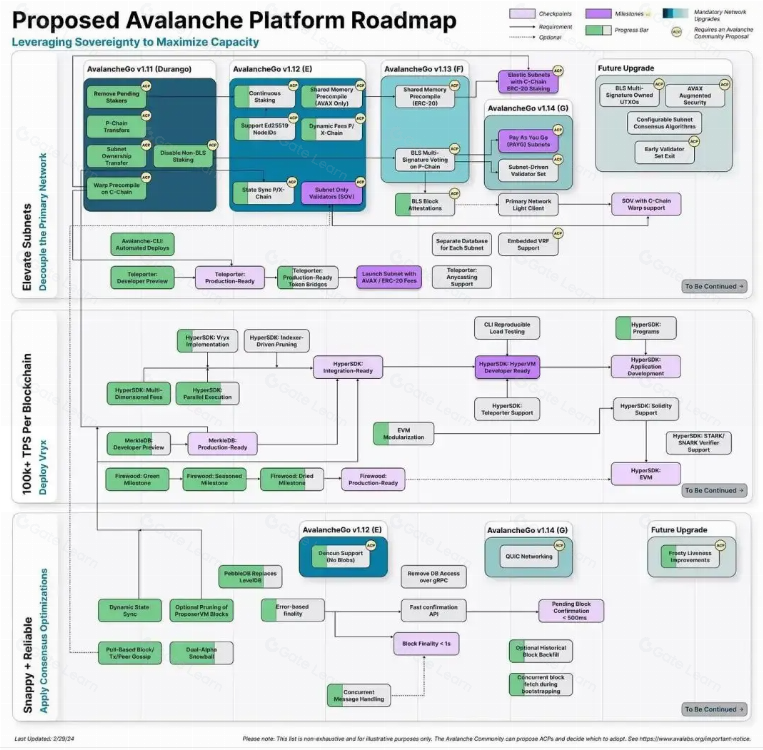
The technical overhead of maintaining custom Virtual Machines (VMs) and validator sets further complicates deployment. Projects must manage their own consensus rules and economic security models, which raises the barrier to entry for developers and requires users to bridge assets across chains—a process that adds friction and potential security risks. Consequently, the scalability benefits of subnets are often offset by the complexity of inter-subnet communication and the lack of native composability.
| Constraint | Impact on DeFi Clusters |
|---|---|
| Liquidity Fragmentation | Capital is siloed within individual subnets, reducing depth and increasing slippage. |
| Cross-Chain Friction | Bridging assets between subnets introduces latency and smart contract risk. |
| Validator Coordination | New subnets require recruiting a qualified validator set, which can delay launch. |
| Composability Limits | Smart contracts on one subnet cannot directly interact with state on another. |
These factors mean that subnet-based DeFi clusters are best suited for projects requiring high throughput or specific regulatory compliance, rather than general-purpose trading. For most users, the tradeoff between customization and liquidity efficiency remains the central challenge.
Avalanche subnet-based defi clusters choices that change the plan
When evaluating Avalanche subnet-based DeFi clusters, the core decision rests on balancing customization against shared security and liquidity fragmentation. Unlike the primary C-Chain, where every protocol competes for the same block space and validator set, subnets allow developers to tailor consensus rules, virtual machines, and tokenomics. This isolation is powerful for compliance or high-frequency trading, but it introduces distinct infrastructure costs and operational complexities that can erode capital efficiency.
The following comparison breaks down the primary tradeoffs between deploying on the shared C-Chain versus a dedicated custom subnet. Use this framework to determine which architecture aligns with your cluster’s specific throughput and governance requirements.
| Feature | C-Chain (Shared) | Custom Subnet | Strategic Impact |
|---|---|---|---|
| Consensus Flexibility | PoS (Fixed Avalanche consensus) | Customizable (PoS, Raft, or hybrid) | Subnets enable low-latency, non-crypto use cases but require validator coordination. |
| Security Model | Shared C-Chain security | Independent validator set | Subnets are only as secure as their specific validator set; misconfiguration risks isolation. |
| Liquidity Access | Native access to deep pools | Siloed; requires cross-chain bridges | Bridging introduces latency and smart contract risk; fragmented liquidity increases slippage. |
| Gas & Fees | AVAX-denominated, competitive | Custom token or AVAX | Subnets can subsidize fees for users but add complexity to treasury management. |
| Development Tooling | Standard Solidity/EVM | Custom VMs (EVM, Coreth, or SDK) | Custom VMs offer performance gains but limit the developer pool and audit coverage. |
When to Choose Which Architecture
For most DeFi clusters prioritizing composability and deep liquidity, the C-Chain remains the pragmatic default. The network effect of shared security and instant asset availability outweighs the marginal performance gains of a custom subnet. However, if your cluster requires institutional-grade compliance, specific finality guarantees, or massive transaction throughput that congests the main chain, a custom subnet is the necessary infrastructure. The tradeoff is always clear: you gain control and performance, but you sacrifice the effortless liquidity and security of the broader Avalanche ecosystem.
Choose the next step
Avalanche Subnet-Based DeFi Clusters works best as a clear sequence: define the constraint, compare the realistic options, test the tradeoff, and choose the path with the fewest hidden costs. That order keeps the advice usable instead of decorative. After each step, pause long enough to check whether the recommendation still fits the reader's actual situation. If it depends on perfect timing, unusual access, or a best-case budget, include a simpler fallback.
Avoid the weak options
The easiest mistake with Avalanche Subnet-Based DeFi Clusters is comparing options on the most visible detail while ignoring the day-to-day constraint. A choice can look strong on paper and still fail because it is too hard to maintain, too expensive to repeat, or awkward in the actual setting. Use the same checklist for every option: fit, cost, durability, timing, upkeep, and fallback plan. That keeps the comparison practical instead of drifting into preference alone.
The simplest way to use this section is to write down the real constraint first, compare each option against it, and choose the path that still works outside ideal conditions.
Avalanche subnet-based defi clusters market research: what to check next
Before committing capital or infrastructure to Avalanche subnet-based DeFi clusters, it is essential to address the practical hurdles that separate theoretical scalability from operational reality. The following questions address the core tradeoffs regarding liquidity, security, and technical complexity.
These distinctions highlight why subnet-based clusters are best suited for institutional or high-throughput use cases where customization outweighs the complexity of managing fragmented liquidity and security models.
Helpful gear
Use these product recommendations as a starting point, then choose the size, material, and price point that fit how you actually use the gear.


As an Amazon Associate, we may earn from qualifying purchases.
No comments yet. Be the first to share your thoughts!