Why institutions choose subnets
Generic Layer 1 blockchains force institutions to share network resources with retail users, meme coins, and unvetted applications. This shared infrastructure creates compliance risks and performance volatility that traditional finance cannot tolerate. Avalanche Subnet-Based DeFi Clusters solve this by allowing organizations to deploy isolated, application-specific blockchains that operate independently of the public network.
Subnets function as custom blockchains with tailored virtual machines, governance models, and tokenomics. This isolation ensures that transaction congestion or security vulnerabilities on one subnet do not impact others. For institutional DeFi clusters, this means predictable latency and consistent finality, which are non-negotiable for high-frequency trading and settlement systems.
Compliance is equally critical. Subnets allow institutions to enforce strict identity verification and regulatory rules at the protocol level. Unlike public chains where anonymous actors can interact with smart contracts, subnet participants can be whitelisted, ensuring that only authorized entities access the cluster. This architectural choice transforms blockchain from a public utility into a private, permissioned ledger that meets institutional risk standards.
The integration with AWS further solidifies this appeal. Ava Labs’ partnership with Amazon Web Services enables one-click deployment of validator nodes and subnets through the AWS Marketplace. This infrastructure support reduces operational friction, allowing institutions to leverage existing cloud security and compliance frameworks rather than building blockchain infrastructure from scratch.
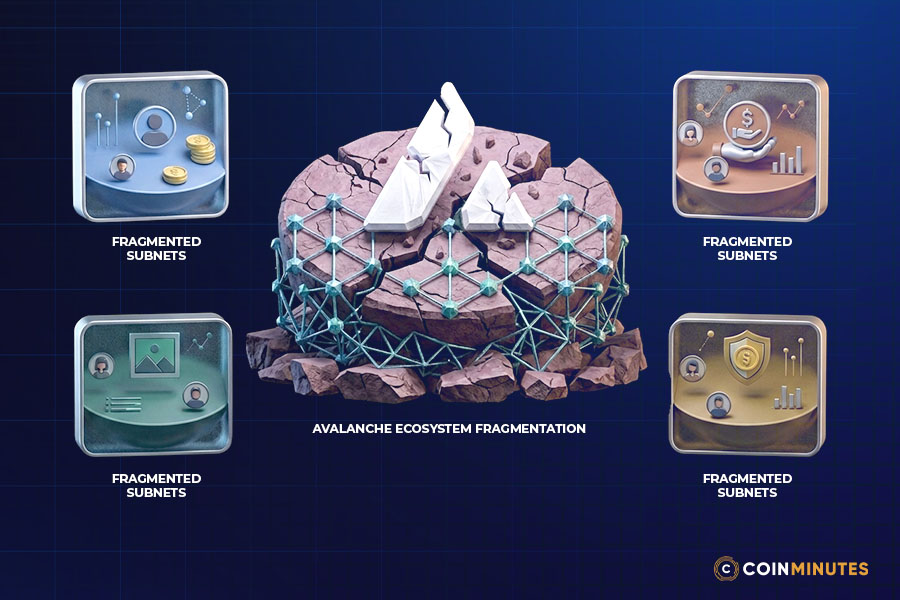
The market context for this infrastructure shift is reflected in AVAX’s price action, which responds to both broader crypto trends and specific adoption milestones within the subnet ecosystem.
Designing compliant yield clusters
Institutional capital requires a regulatory environment that mirrors traditional finance, not the open-access nature of public DeFi. Avalanche subnets solve this by allowing operators to build custom blockchains with specific virtual machines and tokenomics. This architecture enables the creation of private or permissioned yield clusters where every participant has passed KYC/AML checks, ensuring that the on-chain activity remains compliant with local securities laws.
Unlike the public Primary Network, a subnet operates as its own sovereign chain. You can define exactly who can validate blocks and who can hold assets. For example, an institutional yield cluster might restrict validator roles to vetted financial institutions while allowing accredited investors to interact with smart contracts. This isolation prevents unauthorized actors from accessing sensitive yield strategies or disrupting the network with spam transactions.
To support enterprise-grade operations, Ava Labs partnered with AWS to make subnet deployment straightforward. This integration allows institutions to launch validator nodes and subnets directly through the AWS Marketplace, leveraging existing cloud infrastructure and security protocols. The result is a hybrid environment that combines the transparency of blockchain with the reliability and compliance tools of enterprise cloud computing.
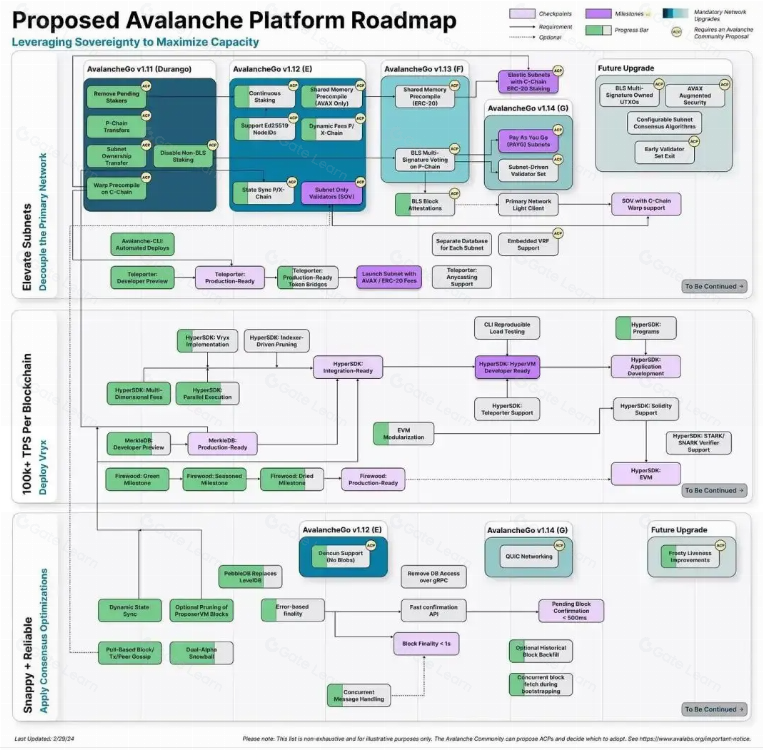
This flexibility extends to tokenomics. You can design native tokens that represent regulated assets, such as tokenized treasuries or private equity stakes, with built-in transfer restrictions. Smart contracts can automatically enforce holding periods or transfer limits, ensuring that yield generation aligns with regulatory requirements. By tailoring the underlying rules, Avalanche subnets provide the controlled environment necessary for institutional adoption of DeFi yield strategies.
Infrastructure and validator economics
Running a high-stakes Avalanche Subnet-Based DeFi Cluster requires more than just capital; it demands rigorous operational discipline. The barrier to entry is structural. To operate a validator node on the Primary Network—the foundation that secures all subnets—an operator must stake a minimum of 2,000 AVAX. At current market rates, this represents a significant capital allocation, often exceeding $20,000, excluding the hardware costs required for institutional-grade uptime.
This staking threshold is not merely a fee; it is a security bond. Validators who fail to maintain node performance or act maliciously risk slashing, where a portion of their staked AVAX is confiscated. For institutional players, this creates a direct correlation between technical proficiency and financial risk. Poorly managed nodes do not just lose revenue; they lose principal.
Node Management and AWS Integration
Operational reliability is non-negotiable. AValanche has formalized its infrastructure strategy through a partnership with Amazon Web Services (AWS). This integration allows validators to deploy nodes and subnets directly through the AWS Marketplace. For institutional investors, this means leveraging established cloud security protocols and compliance frameworks rather than building bespoke infrastructure from scratch.
The ability to spin up validator instances with a few clicks reduces time-to-market and operational complexity. However, it also centralizes a degree of dependency. Institutions must ensure that their node configurations meet the strict performance benchmarks required by the Avalanche consensus mechanism. This involves monitoring latency, ensuring consistent block production, and managing key storage with hardware security modules (HSMs) to prevent unauthorized access.
The Economics of Subnet Validation
While the Primary Network sets the baseline, Avalanche Subnet-Based DeFi Clusters introduce a layered economic model. Validators can choose to secure multiple subnets, but each additional subnet requires separate staking commitments. This flexibility allows for specialized resource allocation—capital can be concentrated on high-throughput DeFi clusters or distributed across broader network security.
The cost structure is transparent but steep. Beyond the 2,000 AVAX minimum for the Primary Network, subnet-specific validators may face additional staking requirements depending on the subnet’s configuration. This means that a single institution running a cluster of specialized DeFi subnets must manage a complex portfolio of staked assets. The operational overhead includes continuous monitoring of validator status, fee market dynamics, and potential governance votes that could alter staking parameters.
For institutional participants, the decision to validate is an infrastructure investment as much as a financial one. The margin for error is slim, and the technical debt of misconfigured nodes can be costly. Success requires a dedicated operations team, robust cloud architecture, and a clear understanding of how staking rewards and slashing risks interact within the Avalanche ecosystem.
Comparing subnet strategies
Choosing the right subnet architecture depends on your institutional priorities. Are you building a permissioned ledger for private banking, or a high-throughput public DeFi cluster? The decision shapes your compliance posture, operational costs, and developer accessibility.
Avalanche subnets allow you to tailor virtual machines, governance models, and tokenomics to specific needs. This flexibility means you aren't forced into a one-size-fits-all model. Instead, you can align the blockchain's mechanics directly with your business requirements.
The table below breaks down the core differences between public and private subnet implementations.
Public subnets excel in liquidity aggregation and broad market access. They leverage the Avalanche network's native security while offering lower transaction fees compared to Ethereum. This makes them ideal for decentralized exchanges or lending protocols targeting retail and institutional traders alike.
Private subnets offer greater control and data privacy. They are often deployed for asset tokenization, supply chain finance, or internal clearinghouses. With partnerships like the one between Ava Labs and AWS, launching these compliant environments is streamlined through the AWS Marketplace, connecting you to a vast ecosystem of enterprise partners.
Next steps for deployment
Before launching an Avalanche Subnet-Based DeFi Cluster, institutions must align technical infrastructure with regulatory requirements. The goal is to build a subnet that operates as a compliant, permissioned environment while leveraging Avalanche’s native interoperability.
Start by mapping the legal jurisdiction for your tokenized assets. Determine which KYC/AML standards apply to your specific asset class (e.g., RWA, equity, or debt). Your subnet’s access control lists must enforce these rules at the protocol level, ensuring only verified participants can interact with the cluster’s smart contracts.
Deploying validator nodes requires robust hardware. Ava Labs partnered with AWS to simplify this process, allowing institutions to launch subnets directly through the AWS Marketplace. This integration reduces setup time and ensures enterprise-grade security for your validator nodes, which are critical for maintaining subnet consensus.
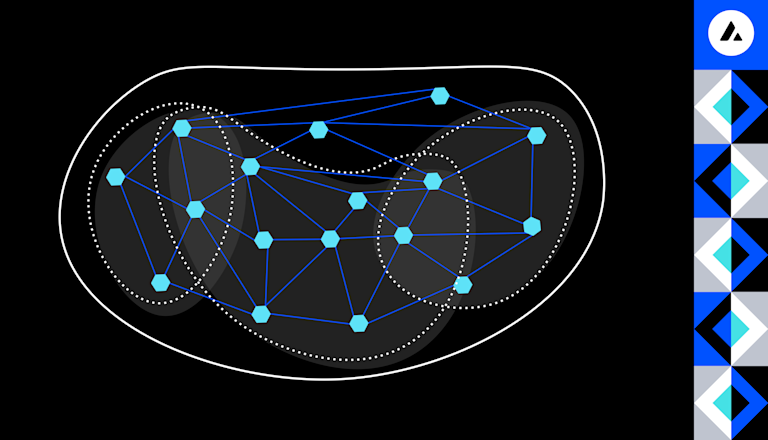
Avalanche subnets allow custom virtual machines (VMs) and access controls. Use the X-Chain or C-Chain configuration to define who can mint, burn, or transfer assets. Implement strict identity verification hooks within your custom VM to prevent unauthorized access to the DeFi cluster’s liquidity pools.
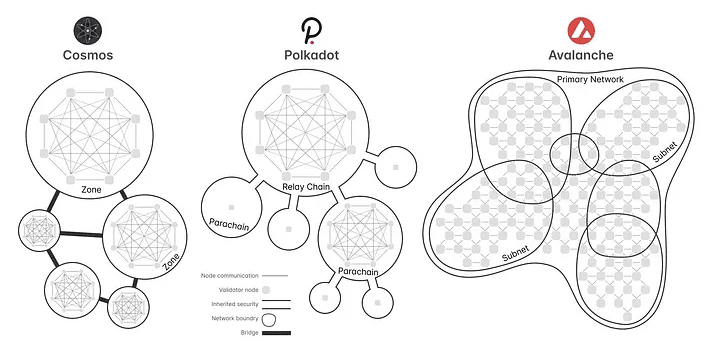
Test your subnet’s cross-chain capabilities using the Avalanche Interoperability Protocol (IIP). Ensure your subnet can securely exchange messages and assets with the primary Avalanche C-Chain and other external networks. This step is vital for maintaining liquidity and ensuring your DeFi cluster can interact with the broader ecosystem without compromising isolation.
Common questions about AVAX subnets
Institutional investors often encounter technical misconceptions when evaluating Avalanche Subnet-Based DeFi Clusters. These questions address core mechanics, competitive positioning, and enterprise infrastructure to clarify how subnets function in practice.
No comments yet. Be the first to share your thoughts!