Why subnets solve institutional scaling
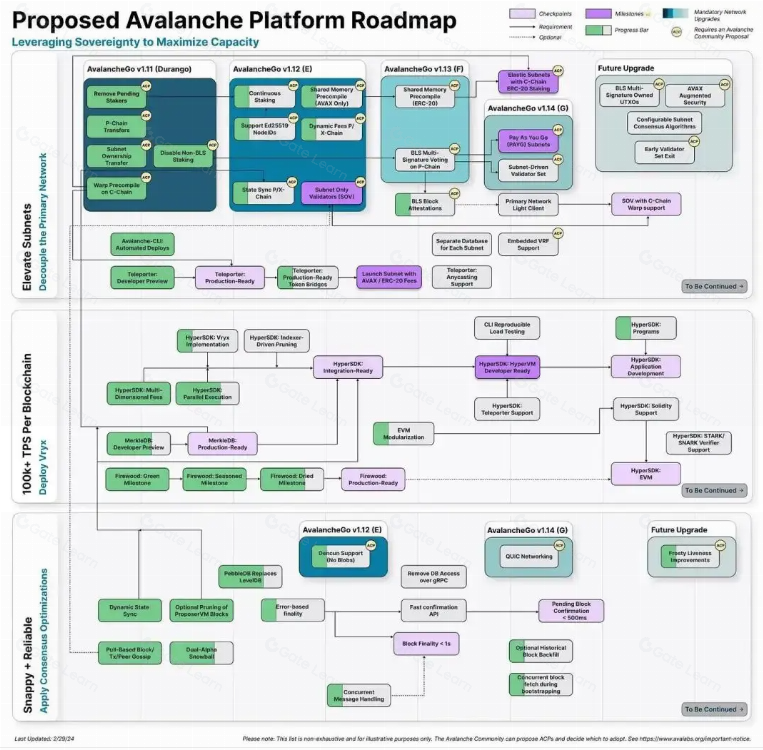
Building a high-throughput institutional DeFi cluster on a monolithic Layer 1 is like trying to run a hedge fund’s entire trading floor inside a single, crowded room. Every application competes for the same block space, and a spike in retail activity can cause latency that breaks institutional execution strategies. Avalanche Subnets solve this by providing isolation. Each subnet operates as its own dedicated blockchain, meaning your cluster’s transactions never compete with public noise.
This architecture allows you to tailor the network to specific institutional needs. You can define unique virtual machines, governance models, and tokenomics for your DeFi cluster. More importantly, you can embed compliance rules directly into the consensus layer. If your cluster requires KYC/AML checks or specific asset whitelisting, the subnet enforces this at the protocol level, not just through application-layer wrappers.
The underlying Avalanche network provides the security and speed, offering sub-second finality and high-throughput consensus. However, the subnet is where the customization happens. By decoupling the execution environment from the base chain, you gain the flexibility to optimize for performance without sacrificing the robust security of the primary network.
Designing compliant liquidity pools
Institutional capital does not flow into permissionless anonymity. To build Avalanche Subnet-Based DeFi Clusters that satisfy regulatory scrutiny, you must move beyond generic Layer 1 templates. The architecture requires custom virtual machines (VMs) and governance models that embed compliance directly into the protocol layer.
Avalanche subnets are distinct blockchains that can be tailored with unique virtual machines, governance models, tokenomics, and compliance rules (Quicknode). This modularity allows developers to enforce Know Your Customer (KYC) and Anti-Money Laundering (AML) checks at the smart contract level. By restricting wallet interactions to pre-verified addresses, you create a closed-loop liquidity environment that protects institutional participants from illicit activity.
This approach transforms the subnet from a mere scaling solution into a regulated financial venue. Instead of relying on external, often unreliable, off-chain identity verification, the chain itself validates participants before allowing transaction execution. This structural integrity is what distinguishes a speculative DeFi experiment from a viable institutional trading floor.
Market Context
Subnet architectures for DeFi clusters
When building an Avalanche Subnet-Based DeFi Cluster, the choice of virtual machine (VM) dictates your operational ceiling. Institutional investors must weigh throughput, cost efficiency, and developer talent availability. There is no universal default; the architecture must match the specific liquidity and compliance requirements of the cluster.
EVM-Compatible Subnets
EVM-compatible subnets (C-Chain or custom EVMs) allow you to deploy existing Solidity smart contracts with minimal changes. This is the fastest route to market for DeFi protocols already built on Ethereum. The developer pool is massive, and tooling like Hardhat or Foundry works out of the box. However, you inherit Ethereum’s gas fee structure unless you implement custom fee mechanisms, which can complicate user experience.
Custom VM Subnets
Custom VMs (like the PXL or Coreth variants) offer granular control over consensus and state transition rules. This architecture is ideal for high-frequency trading or specialized asset classes where standard EVM logic is too slow or restrictive. You sacrifice developer familiarity for performance. Teams must build or adapt tooling from scratch, increasing initial development time but potentially lowering long-term operational costs through optimized throughput.
Shared Security Models
Some architectures leverage the main Avalanche network’s security while maintaining separate execution environments. This reduces the validator burden for the subnet operator but may introduce latency when bridging assets between the subnet and the primary chain. It is a pragmatic choice for clusters that prioritize capital efficiency over absolute isolation.
| Feature | EVM-Compatible | Custom VM | Shared Security |
|---|---|---|---|
| Developer Talent | High | Low | Medium |
| Throughput | Medium | High | Medium |
| Deployment Speed | Fast | Slow | Medium |
| Cost Control | Standard | Optimized | Standard |
Selecting the Right Architecture
For most institutional DeFi clusters, EVM-compatible subnets provide the best balance of speed-to-market and liquidity integration. If your strategy relies on proprietary trading algorithms or specialized regulatory logic, a custom VM may be worth the engineering overhead. Always benchmark against your expected transaction volume before committing to a technical stack.
Real-world cluster deployment examples
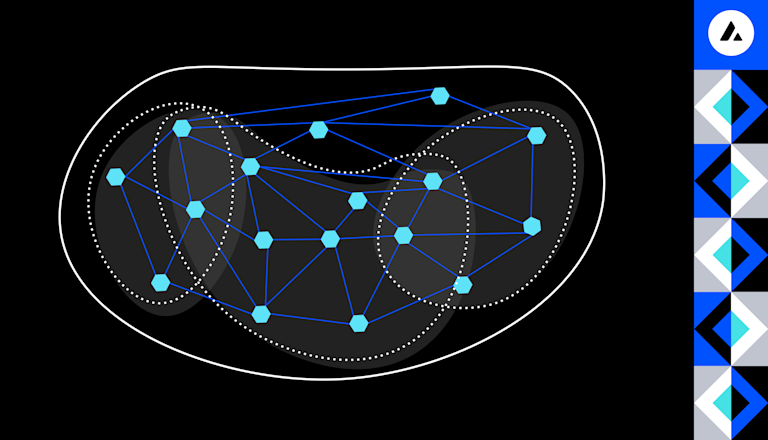
Moving from theory to market reality, institutional investors are beginning to test the waters with Avalanche Subnet-Based DeFi Clusters. While fully autonomous, permissioned clusters are still emerging, several high-profile projects demonstrate the architecture's potential for specialized financial workloads.
Gaming and NFT Infrastructure
The most mature deployment of subnet technology is currently in the gaming sector. Projects like Elysium utilize a dedicated subnet to handle high-frequency transactions for in-game assets. This separation ensures that gaming activity does not congest the main Avalanche C-Chain, providing the latency and throughput required for real-time user experiences. For institutional players, this represents a proven model for isolating consumer-grade traffic from core financial settlement layers.
Private Asset Tokenization
Financial institutions are increasingly exploring subnets for private asset tokenization. By deploying a permissioned subnet, banks and asset managers can create a closed-loop DeFi cluster where only vetted participants can interact. This setup allows for the tokenization of real-world assets (RWA) while maintaining strict compliance and privacy controls that public chains cannot offer. The ability to customize the consensus mechanism and access controls makes subnets ideal for regulated environments.
Institutional DeFi Clusters
The convergence of these use cases points toward a broader trend: the creation of institutional-grade DeFi clusters. These clusters combine the security of the Avalanche mainnet with the flexibility of custom subnets. They allow institutions to build proprietary trading venues, liquidity pools, and lending protocols that operate with the efficiency of a Layer 2 but the sovereign control of a Layer 1.
Steps to launch a subnet cluster
Building an Avalanche Subnet-Based DeFi Cluster requires precision. The goal is to create a dedicated environment that isolates risk while maintaining high throughput. This workflow outlines the essential steps for infrastructure teams to deploy and secure the network.
The genesis profile is the foundation of your subnet. It dictates the initial consensus rules, tokenomics, and validation parameters. For a DeFi cluster, you must define strict governance structures and asset issuance limits here, as these cannot be changed after deployment.
Choose your node infrastructure carefully. You can deploy dedicated nodes across various cloud providers and regions to ensure redundancy. Institutional clusters often require geographically distributed validators to mitigate single-point-of-failure risks and ensure regulatory compliance.
Once the genesis file is finalized and nodes are provisioned, initiate the deployment. The Chainstack or your chosen provider will orchestrate the network launch. Verify that all validators are syncing correctly and that the subnet is accepting transactions before opening it to liquidity.
Common questions about Avalanche subnets
Institutional investors often confuse the base layer with specialized subnets. Understanding this distinction is essential for building secure, high-throughput DeFi clusters.
Is Avalanche an L1 or L2?
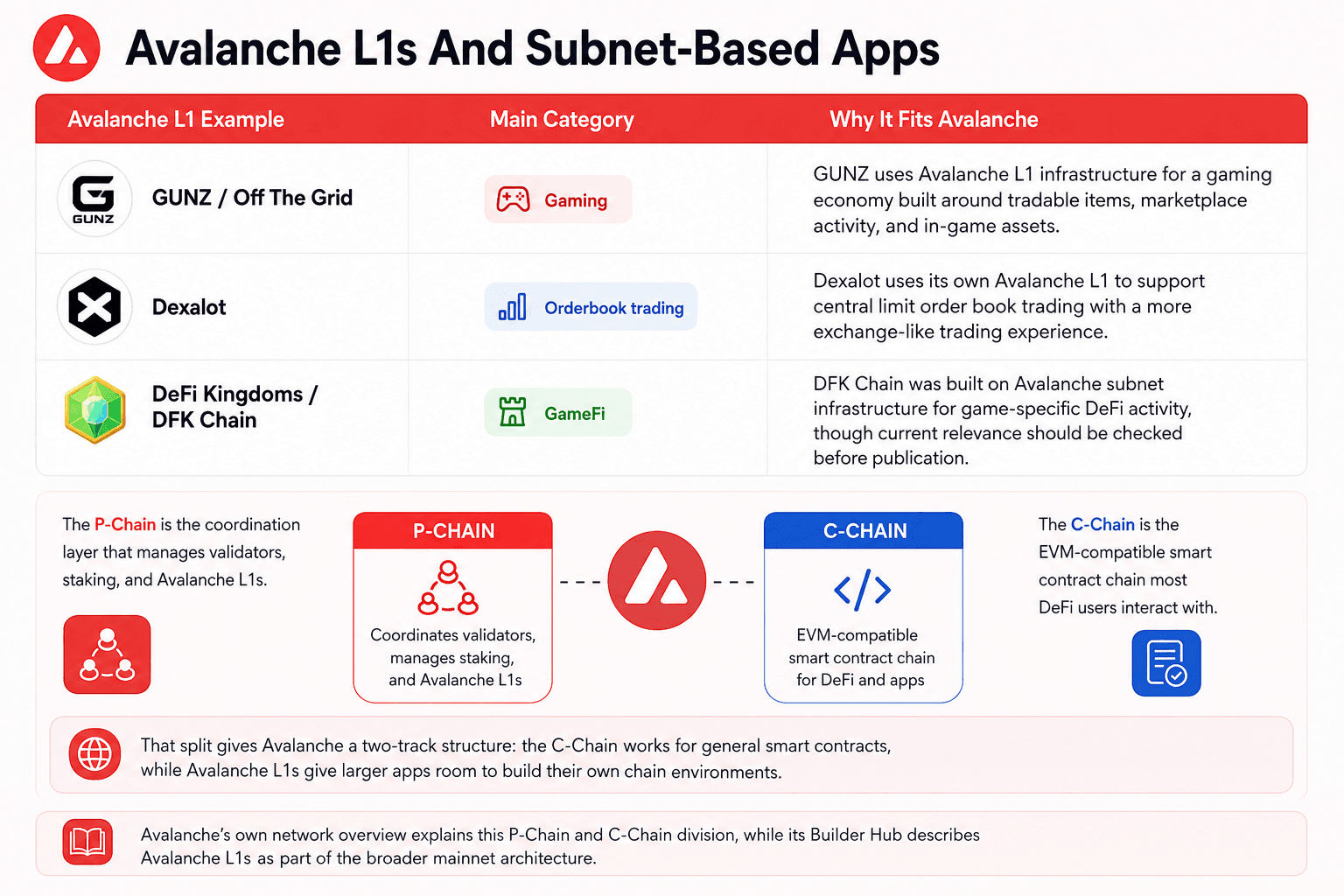
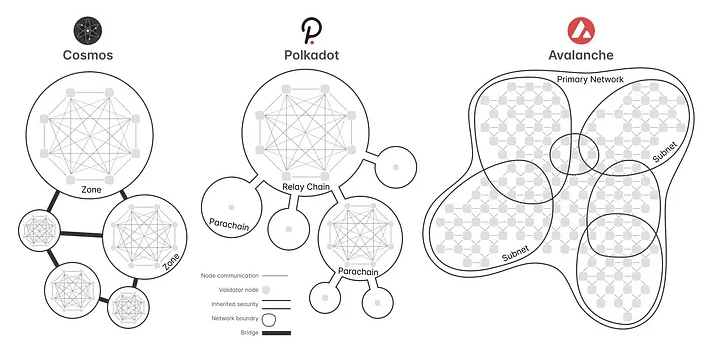
Avalanche is a decentralized Layer 1 platform. It secures the network with thousands of validators and offers sub-second finality. Subnets are not Layer 2 rollups; they are independent blockchains that share security with the Primary Network. This structure allows for full EVM compatibility and custom consensus rules without compromising base-layer stability. Learn more about Avalanche's architecture.
How to create an Avalanche subnet?
Deploying a subnet involves three core steps. First, create a genesis profile to dictate network rules and parameters. Second, request a dedicated node from a supported cloud provider. Third, initialize the chain. While you can build this manually, many institutions use infrastructure partners like Chainstack to manage the deployment process efficiently. Read the subnet deployment guide.
What is the difference between a subnet and a sidechain?
Subnets connect via the X-Chain and P-Chain, sharing security and interoperability with the Avalanche Primary Network. Unlike traditional sidechains, subnets do not require bridges to transfer assets between the primary network and the subnet. This native interoperability reduces counterparty risk and simplifies the technical stack for institutional DeFi applications.
No comments yet. Be the first to share your thoughts!