What defines a subnet-based DeFi cluster
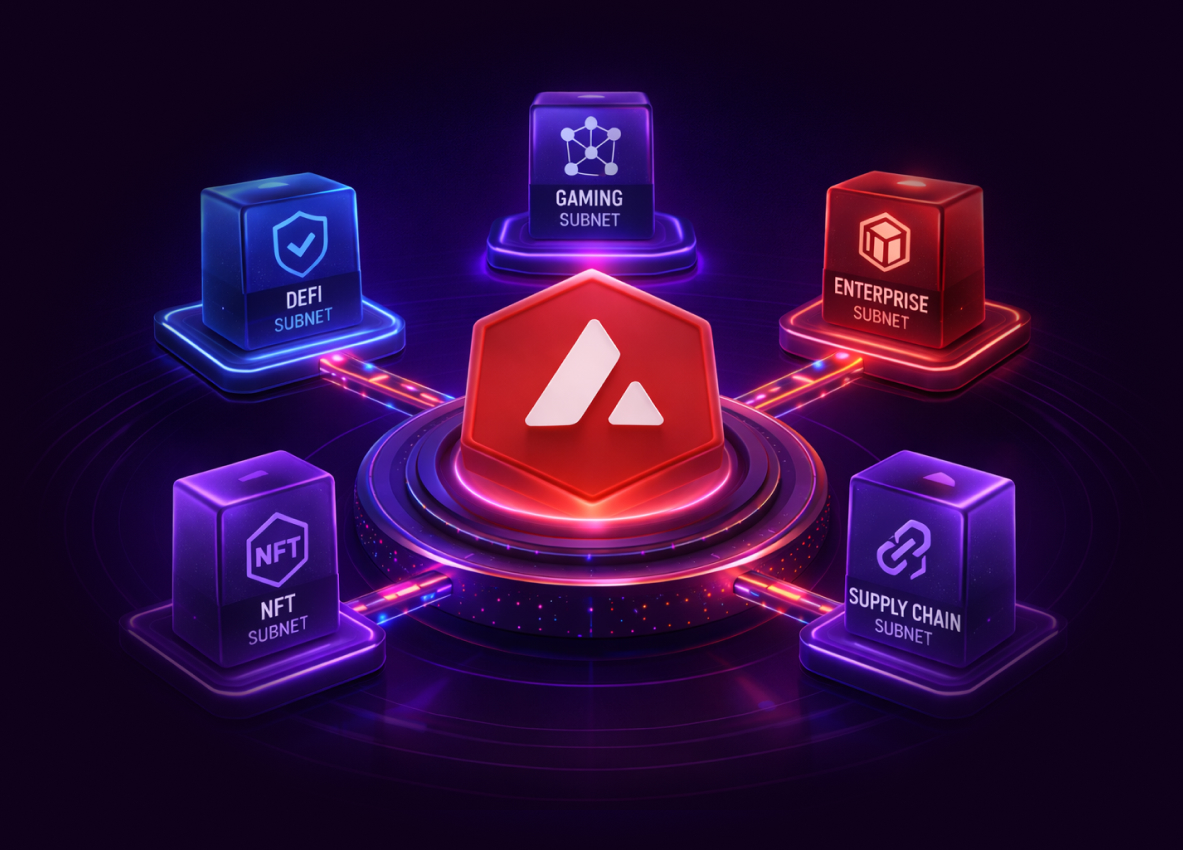
A subnet-based DeFi cluster is not a shared public network where every application fights for block space. It is a sovereign, application-specific blockchain built within the Avalanche ecosystem. Think of it as a private lane on a highway system: while the main road (the C-Chain) handles general traffic, the subnet is a dedicated expressway designed for a single type of vehicle, moving at its own optimal speed.
In technical terms, an Avalanche subnet is a Layer 1 blockchain that defines its own custom rules, validators, and virtual machines. Unlike generic Layer 2 scaling solutions that rely on the base chain for security and execution, a subnet leverages the Avalanche consensus protocol for both. This architecture allows developers to create networks with high throughput and near-instant finality, tailored specifically to the needs of their DeFi applications [1].
The distinction matters because it changes the infrastructure strategy. In a shared environment, a spike in activity on one popular DEX can congest the entire network, raising fees for everyone. In a subnet-based cluster, that congestion is isolated. The DeFi protocol operates in a sovereign environment, free from the noise of unrelated transactions. This isolation ensures that the financial logic of the cluster remains predictable and efficient, even during periods of high market volatility.
This sovereignty extends to the economic model. Subnets can define their own tokenomics and governance structures, allowing for specialized security pools. By bundling multiple such subnets into a "cluster," projects can create an interconnected ecosystem where assets and liquidity flow seamlessly between specialized chains, all while maintaining the robust security guarantees of the Avalanche network.
[1] https://www.quicknode.com/builders-guide/tools/avalanche-subnets-by-ava-labs
Infrastructure advantages for institutional DeFi
Subnets offer a distinct architectural advantage for institutional DeFi by decoupling performance from the base layer. Unlike the C-Chain, which shares security with the entire network, subnets operate as sovereign Layer 1 blockchains. This separation allows institutions to bypass the congestion that often plagues shared execution environments, ensuring predictable throughput for high-frequency trading and settlement layers.
This sovereignty extends to the virtual machine level. Developers can deploy custom virtual machines tailored to specific regulatory or compliance needs, such as integrating KYC/AML checks directly into the consensus layer. While the C-Chain relies on the Ethereum Virtual Machine (EVM), subnets support multiple VMs, including the Platform VM for asset management and the Contract VM for smart contracts. This flexibility means an institution can build a private DeFi cluster with specific gas token requirements or permissioned validator sets without compromising on interoperability with the broader Avalanche ecosystem.
The economic model shifts from shared scarcity to dedicated capacity. By running a subnet, an institution controls its own validator set and security parameters. This isolation prevents "noisy neighbor" problems, where unrelated application traffic spikes increase latency for critical financial operations. The result is a hybrid model: the subnet retains the security guarantees of the Avalanche consensus protocol while offering the customization and scalability of a standalone chain.
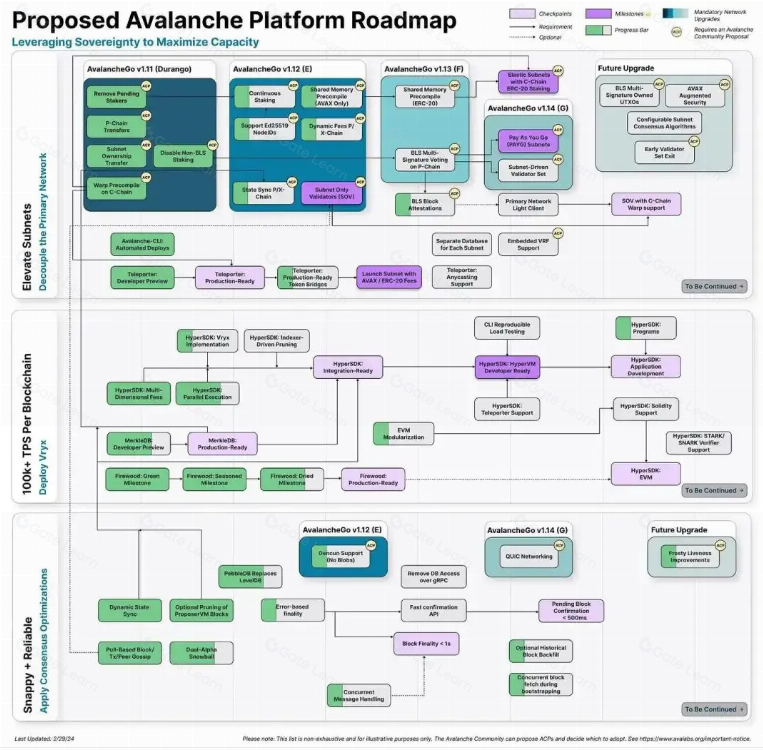
Technical performance is where this architecture truly shines for high-stakes applications. Subnets can achieve near-instant finality and high throughput by optimizing the consensus process for specific use cases. For DeFi protocols requiring rapid order matching or atomic swaps, this speed is critical. The ability to scale independently means that transaction fees remain stable and low, regardless of activity on other parts of the network. This predictability is essential for institutional risk management and capital efficiency.
Real-World DeFi Cluster Strategies
Moving from theoretical architecture to live deployment, subnet clusters are reshaping how DeFi protocols interact with traditional financial standards. By isolating specific applications on dedicated chains, institutions can enforce strict compliance rules without compromising the speed of the broader network. This separation allows for granular control over gas fees, validator sets, and asset types, turning the blockchain from a monolithic ledger into a modular infrastructure.
The most immediate advantage is the ability to tailor virtual machines to specific compliance needs. For instance, a protocol handling tokenized real-world assets (RWA) can deploy a subnet that enforces know-your-customer (KYC) checks at the protocol level. This creates a "permissioned" layer within a public blockchain environment, satisfying regulatory requirements that a standard, permissionless chain cannot meet alone. It effectively bridges the gap between decentralized finance’s efficiency and institutional finance’s need for oversight.
To understand the operational difference, consider the contrast between a standard C-Chain deployment and a dedicated subnet cluster:
| Metric | Standard C-Chain | Dedicated Subnet Cluster |
|---|---|---|
| Throughput | Shared with all C-Chain apps | Guaranteed, isolated capacity |
| Compliance | Permissionless, anonymous | Customizable, KYC-ready |
| Cost Stability | Varies with network congestion | Predictable, fixed gas models |
| Customization | Limited to EVM features | Full VM and rule customization |
This structural flexibility is why major financial entities are experimenting with subnet-based clusters. They offer a way to scale DeFi without the congestion and fee spikes that plague shared networks. As the ecosystem matures, we will likely see a hybrid model where high-volume, regulated activities move to custom subnets, while speculative trading remains on the main C-Chain.
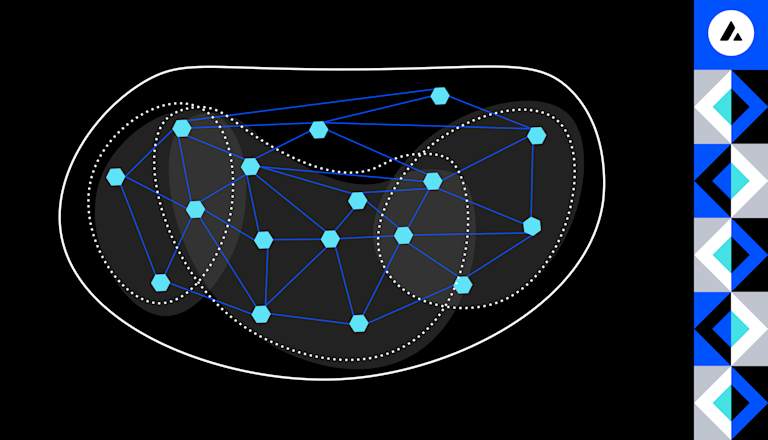
The strategic use of these clusters is not just about speed; it is about creating distinct economic zones within the Avalanche ecosystem. Each subnet can operate with its own tokenomics and governance rules, allowing for specialized DeFi products that would be impossible on a one-size-fits-all chain. This modularity is the key to unlocking institutional adoption, as it provides the control and predictability that traditional finance demands.
How to deploy a subnet-based DeFi cluster
Deploying a subnet-based DeFi cluster transforms a standard blockchain into a specialized, application-specific environment. This process requires coordinating infrastructure providers, configuring validator sets, and integrating liquidity protocols. The goal is to create a high-throughput environment that maintains security while isolating specific DeFi workloads from the main Avalanche C-Chain.
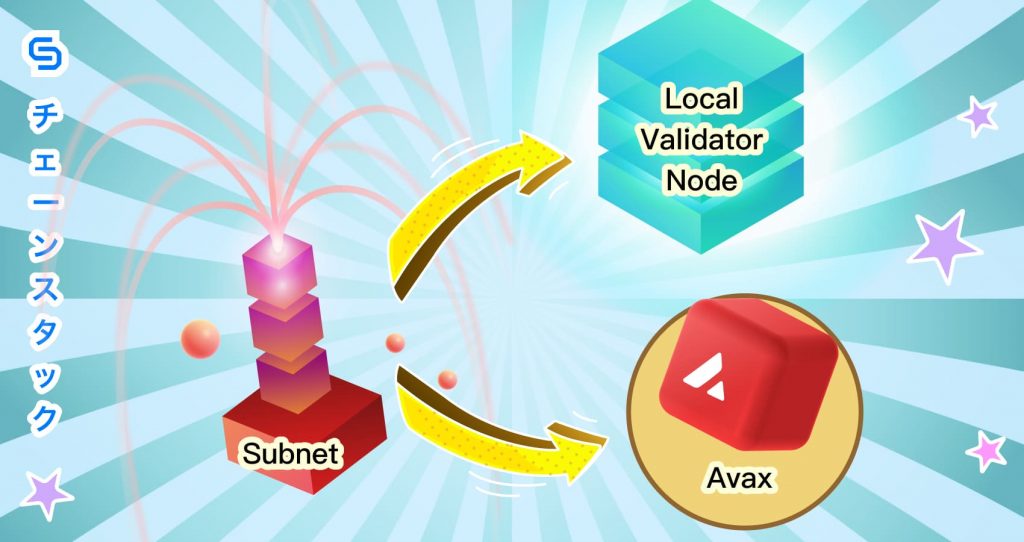
Start by defining the unique parameters of your subnet. You must select a Virtual Machine (VM) that matches your DeFi cluster’s needs—typically the Platform VM for native asset transfers or a custom EVM-compatible VM for smart contract execution. Configure the initial validator set, gas fee structure, and pre-funded accounts for the cluster’s treasury. This step establishes the foundational rules of your independent blockchain.
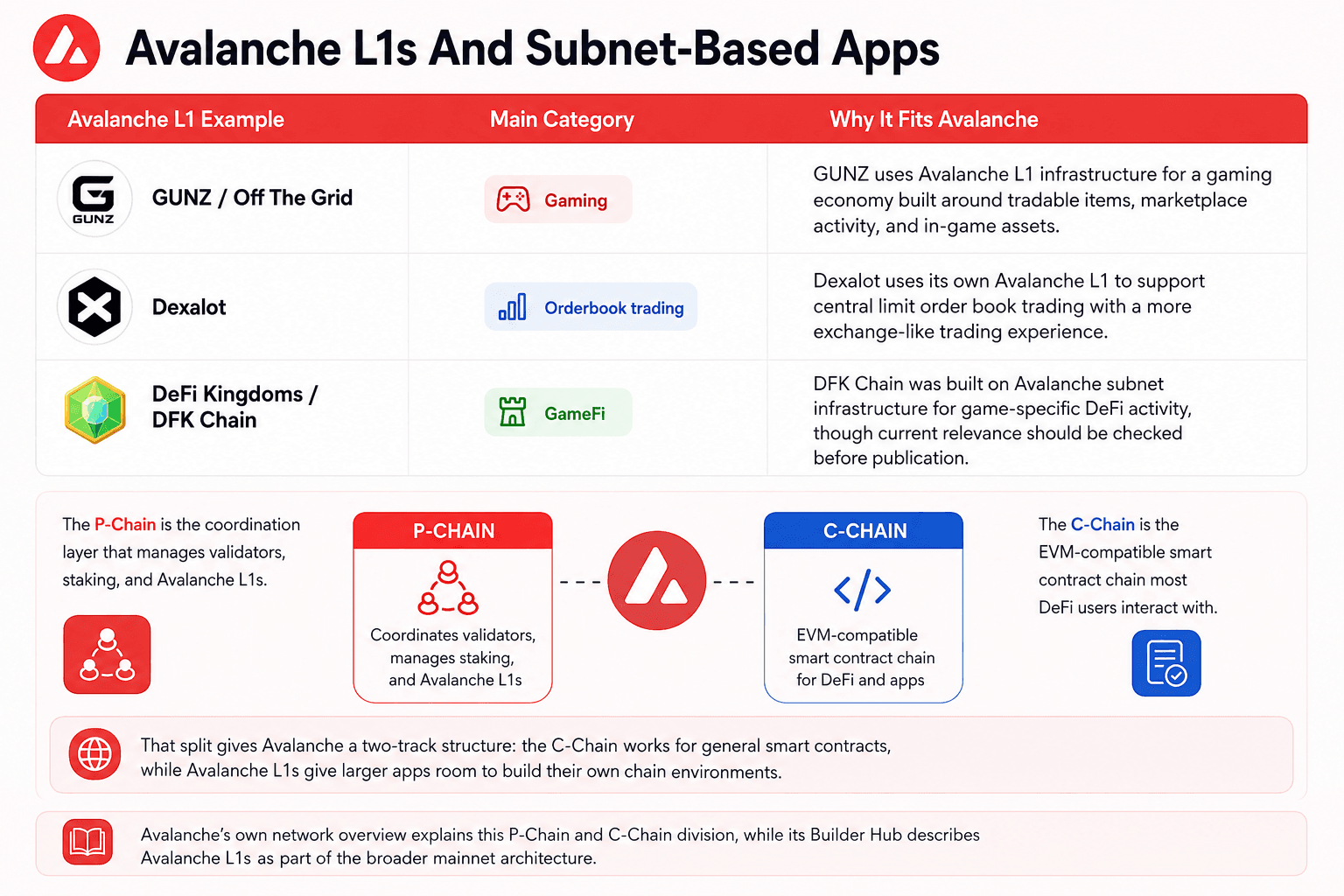
Next, provision the underlying infrastructure. You do not need to run every validator node yourself. Instead, engage with specialized Avalanche node operators who provide the necessary hardware and bandwidth. These providers ensure high availability and low latency for your subnet’s validators. Proper node distribution across geographic regions is critical for maintaining the decentralization and resilience of your DeFi cluster against single points of failure.
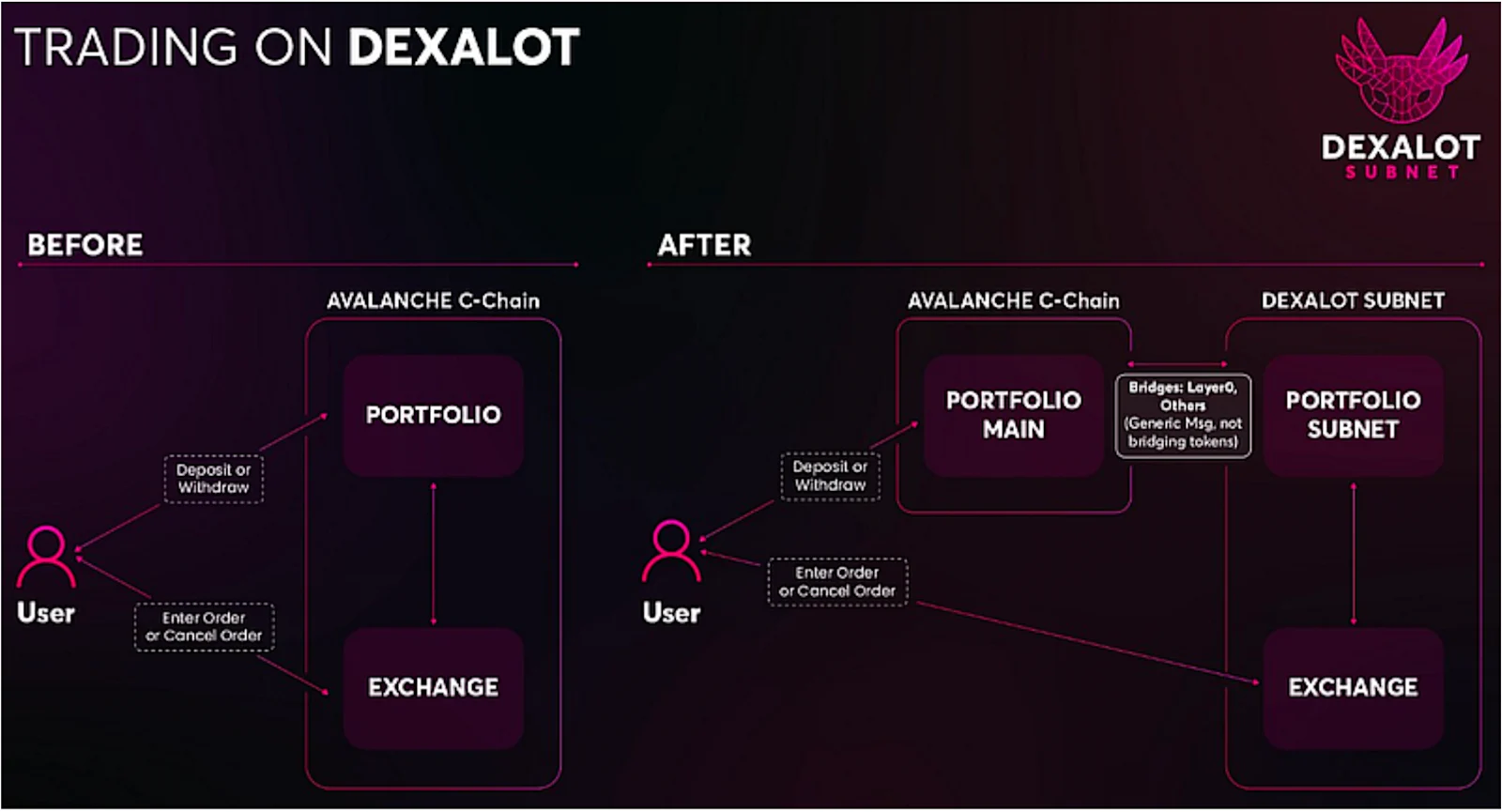
Configure the consensus mechanism to align with your cluster’s performance requirements. Avalanche’s Snow consensus protocol allows for rapid finality, but you must tune the alpha parameters to balance speed with security. Implement robust monitoring tools to track validator health and network throughput. This phase ensures that your subnet can handle the transaction volume typical of high-frequency DeFi trading without compromising on security.
With the subnet live, integrate your DeFi protocols. Deploy smart contracts to your new EVM environment, ensuring they are optimized for the specific gas and block time parameters you configured. Bridge assets from the main Avalanche chain to your subnet using official bridges or custom liquidity pools. This step connects your isolated cluster to the broader crypto economy, allowing users to interact with your DeFi applications seamlessly.
Before opening your DeFi cluster to the public, conduct a thorough security audit of your smart contracts and subnet configuration. Test the network under simulated load to identify bottlenecks. Once verified, officially launch the subnet on the Avalanche mainnet. Monitor the initial phase closely to ensure validator performance and liquidity stability. Continuous monitoring is essential to maintain the integrity of your cluster as it scales.
The deployment of a subnet-based DeFi cluster is a technical undertaking that demands precision. By leveraging dedicated infrastructure providers and following a structured deployment plan, you can create a scalable, secure environment for your DeFi applications. This approach allows for customized governance and performance, setting your cluster apart from general-purpose blockchains.
AVAX Value Accrual and Subnet Growth
The expansion of subnet-based DeFi clusters creates a direct feedback loop for the AVAX token. Subnets are not isolated silos; they are application-specific blockchains that inherit security from the Avalanche Primary Network. This architecture means that as developers deploy capital-intensive DeFi clusters, they must stake AVAX to secure their own subnets. This staking mechanism effectively locks up supply while increasing the utility of the asset as a gas token across a fragmented but interconnected ecosystem.
Market dynamics shift as subnets move from experimental testbeds to production-ready financial infrastructure. Each new subnet introduces a fresh demand vector for AVAX, decoupling transaction volume from the base layer's congestion. This reduces the friction for institutional players who require predictable latency and custom compliance rules. The result is a more robust value accrual model where AVAX benefits from both the throughput of the primary chain and the specialized activity of its subnets.
To understand the current market sentiment, we can look at real-time pricing data. This widget provides a live view of AVAX valuation, reflecting how the market prices this evolving infrastructure narrative.
While price action is immediate, the underlying technical structure supports long-term growth. The chart below illustrates the broader technical trends for AVAX, showing how market cycles interact with the fundamental adoption of subnet technology.
Frequently asked questions about Avalanche subnets
What is an Avalanche subnet?
An Avalanche subnet is an independent, application-specific blockchain. Developers define custom rules, virtual machines, and validator sets for each subnet. This architecture allows for specialized DeFi clusters while maintaining the security guarantees of the Avalanche consensus protocol. Think of it as a private highway built off the main network, tailored for specific traffic types.
Is Avalanche a Layer 1 or Layer 2?
Avalanche is a Layer 1 platform. It consists of three distinct built-in blockchains: the X-Chain, C-Chain, and P-Chain. While subnets offer Layer 2-like flexibility for specific applications, the core network operates independently at Layer 1. This structure enables high throughput and finality without relying on external scaling solutions.
Is AVAX better than Ethereum?
Comparison depends on your priority: cost or ecosystem maturity. Avalanche offers significantly lower transaction fees, averaging around $0.08 compared to Ethereum's typical $1.50+. It also provides faster finality. However, Ethereum retains a larger developer base and established liquidity. For high-frequency DeFi trading, Avalanche's efficiency often makes it the superior choice.
Is AVAX Proof of Work or Proof of Stake?
Avalanche uses a unique consensus mechanism that blends elements of both. It is not traditional Proof of Work (PoW) like Bitcoin, nor standard Proof of Stake (PoS) like early Ethereum. Instead, it utilizes the Snowball consensus protocol, which achieves finality through repeated sampling of validators. This hybrid approach ensures speed and security without the energy intensity of PoW.
No comments yet. Be the first to share your thoughts!