What are subnet-based DeFi clusters
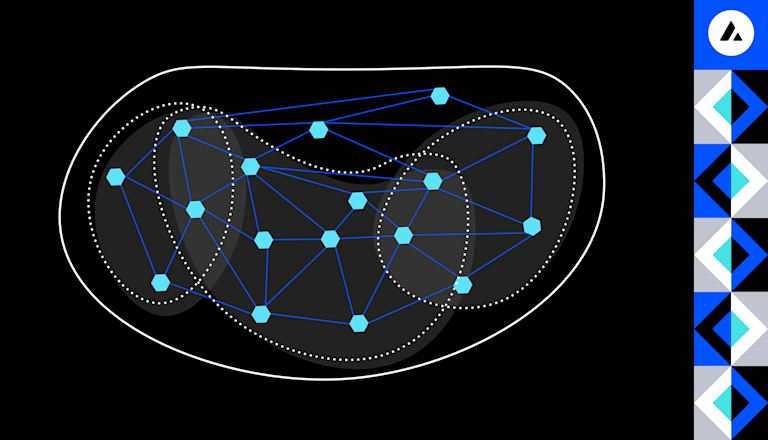
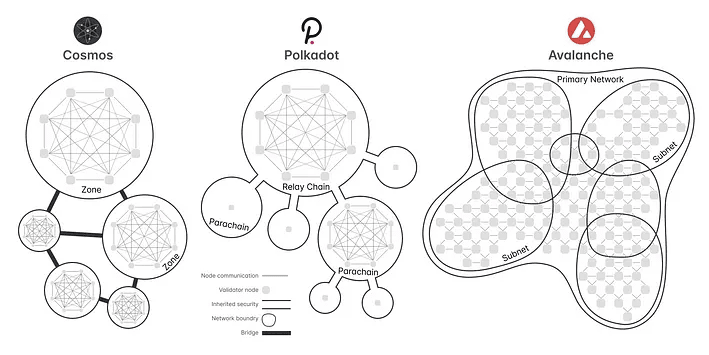
Avalanche’s subnet architecture allows developers to launch custom blockchains that share the network’s underlying validator infrastructure while maintaining independent governance and tokenomics. This structure creates "subnet-based DeFi clusters," where multiple specialized chains operate in parallel, leveraging a shared security layer without being constrained by a single, monolithic protocol design.
Think of the main Avalanche network as the foundation and utilities of a large industrial park. Each subnet is a specialized factory within that park. While they all rely on the same power grid (the shared validator set) for security and connectivity, each factory can build its own internal systems, hire its own management team (governance), and produce its own currency (tokenomics) tailored to specific industrial needs.
This approach solves the scalability trilemma by allowing applications to scale independently. Instead of congesting a single chain, DeFi protocols can deploy on their own subnets, optimizing for speed, privacy, or regulatory compliance without affecting other users. The result is a decentralized ecosystem where specialized financial instruments can thrive in isolated environments, yet still interact with the broader Avalanche network when necessary.
By combining shared security with independent execution, subnet-based DeFi clusters offer a flexible infrastructure for institutional-grade finance. This model supports high-throughput trading, private transactions, and custom asset issuance, all while maintaining the robust security guarantees of the Avalanche consensus layer.
Infrastructure tools for subnet deployment
Building a DeFi cluster on Avalanche requires more than just smart contracts; it demands robust infrastructure to manage node health, consensus validation, and network uptime. While you can spin up a subnet manually, most teams rely on specialized providers to handle the heavy lifting. The primary contenders—Zeeve, QuickNode, and Chainstack—offer distinct approaches to subnet deployment, each catering to different operational needs.
The choice of provider often hinges on how much control you want to retain versus how much operational overhead you want to offload. These platforms act as the backbone for your subnet, providing the APIs, node management, and monitoring tools necessary to keep your DeFi cluster running smoothly. Understanding their specific features helps you pick the right partner for your technical stack.
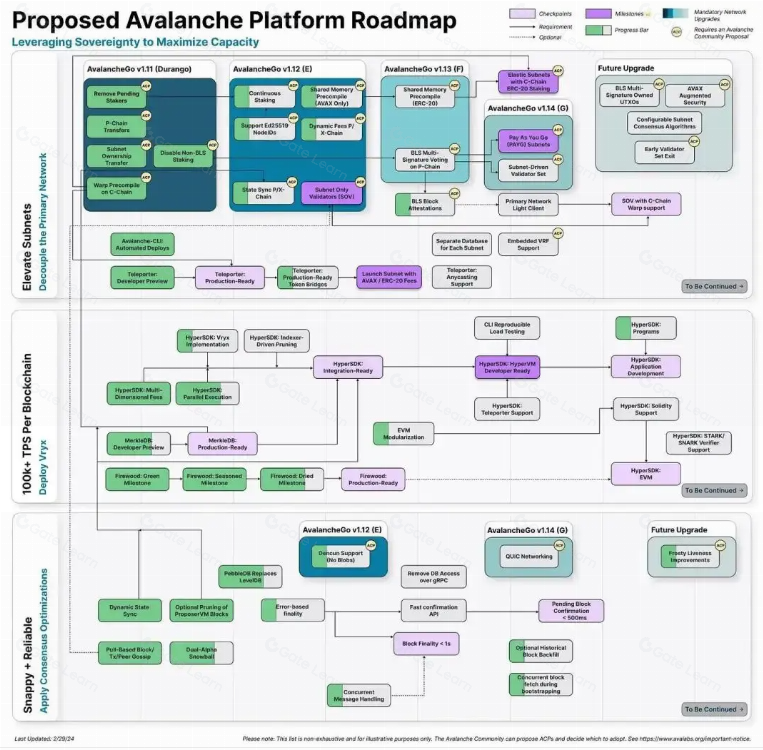
| Provider | Deployment Model | Key Features | Best For |
|---|---|---|---|
| Zeeve | One-click & Custom | Pre-built subnet templates, multi-chain support, dedicated node management | Teams wanting rapid launch with custom validator control |
| QuickNode | Managed API & Nodes | High-throughput RPC, endpoint monitoring, multi-chain indexing | Developers prioritizing API reliability and scaling |
| Chainstack | Managed Infrastructure | Private nodes, global edge network, DevOps automation | Enterprise-grade stability and global performance |
Strategic use cases for DeFi clusters
Subnets let you build application-specific blockchains that connect to the Avalanche mainnet but operate independently. This architecture solves the congestion and high fees that often plague crowded DeFi hubs. By isolating workloads, you can tailor gas limits, consensus mechanisms, and virtual machines to the exact needs of your protocol. The result is a dedicated lane for capital that doesn’t get stuck in traffic.
Private lending and compliance
Traditional DeFi lending is open to everyone, which exposes protocols to regulatory risk and bad actors. A subnet-based lending cluster allows you to implement Know Your Customer (KYC) and anti-money laundering checks directly at the protocol level. Only verified wallets can interact with the pool, creating a private market for institutional capital. This isolation ensures that compliant assets don’t get tainted by illicit activity on the public chain.
Tokenized real-world assets
Real-world assets like real estate or private equity require strict access controls and often slower transaction finality than typical crypto trades. A dedicated subnet can host these tokenized assets with customized governance rules and permissioned validators. This setup mimics the efficiency of blockchain settlement while respecting the legal frameworks governing traditional finance. It bridges the gap between legacy asset classes and decentralized liquidity.
High-frequency trading venues
For trading bots and algorithmic strategies, latency is the enemy. A subnet designed for high-frequency trading can optimize the virtual machine to process thousands of transactions per second with minimal block times. This performance allows for complex arbitrage and market-making strategies that would be too expensive or slow on a general-purpose chain. Traders get the speed they need without competing for block space with casual users.
Market research and adoption trends
Avalanche subnets have moved from experimental infrastructure to a core pillar of institutional DeFi strategy. Rather than competing directly with the main C-Chain for general liquidity, subnets are carving out specialized lanes where performance and regulatory compliance intersect. This shift is driving a more segmented but resilient ecosystem, where custom chains handle specific asset classes or enterprise needs while sharing the underlying validator security.
The growth trajectory points toward hybrid models. Institutions are increasingly looking for blockchains that offer deterministic finality and customizable governance without sacrificing the economic security of the main network. Subnets provide this by allowing enterprises to run permissioned nodes for compliance while keeping data availability on a public, decentralized layer. This structure reduces friction for traditional finance players who require audit trails and controlled access.
Market interest is also reflected in the technical metrics of the network. As more subnets launch, the demand for AVAX for staking and transaction fees remains robust, supporting the economic model. The ability to create isolated environments for high-frequency trading or tokenized real-world assets is attracting developers who need predictable latency. This specialization is key to sustaining long-term adoption beyond speculative trading.
How to choose your subnet strategy
Building a subnet isn't just a technical upgrade; it's a structural commitment. Before you deploy, you need to determine if the isolation and customization of a subnet-based DeFi cluster actually solve your problem better than a single-chain approach or a cross-chain bridge.
Subnets offer a dedicated execution environment. If your DeFi protocol requires custom virtual machines, specific consensus rules, or strict data privacy that conflicts with the public mainnet, a subnet is the right move. If your users just want standard ERC-20 compatibility, stick to the primary chain to avoid fragmenting liquidity.
Running a subnet means managing validator nodes, customizing the genesis state, and handling independent security parameters. This adds significant overhead compared to deploying a smart contract. Only proceed if your project has the engineering bandwidth to maintain this infrastructure or if the cost of mainnet congestion outweighs the operational burden.
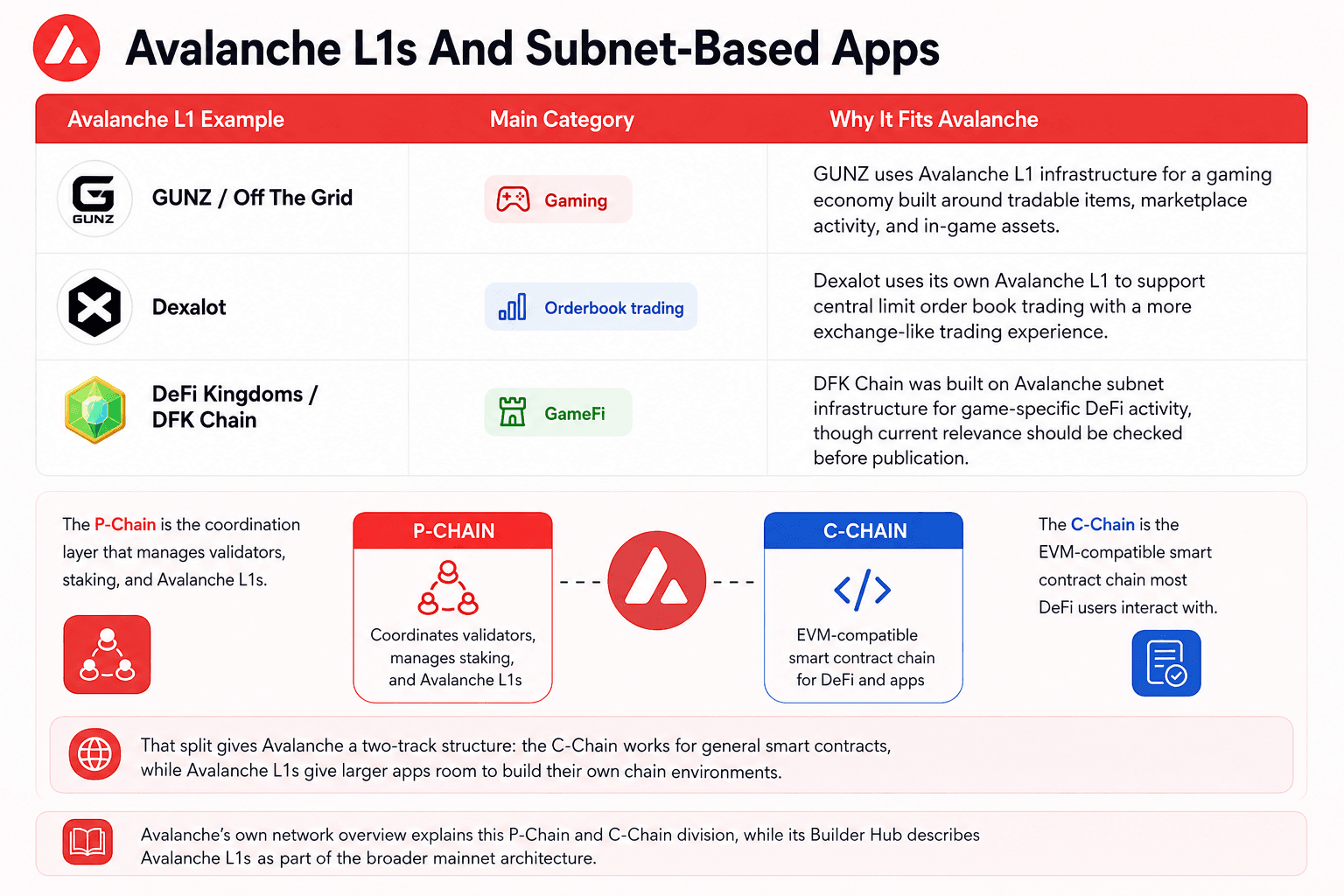
Subnets don't exist in a vacuum. You need a clear strategy for how assets move between your subnet and the C-Chain or other ecosystems. If your DeFi cluster relies on deep liquidity pools that are currently fragmented across chains, a subnet might solve the speed issue but worsen the liquidity silo problem. Ensure your bridge strategy is robust before launching.
To help you weigh these tradeoffs, here are some essential tools for managing and analyzing subnet infrastructure:

As an Amazon Associate, we may earn from qualifying purchases.
No comments yet. Be the first to share your thoughts!