What are subnet-based DeFi clusters?
A subnet-based DeFi cluster on Avalanche is a group of sovereign Layer 1 blockchains that share the same security model and consensus mechanism as the Avalanche Primary Network. Unlike standard Layer 1 deployments that compete for block space, or Layer 2 rollups that settle to a single base chain, these subnets operate as independent networks cryptographically linked to the primary chain.
Think of the Avalanche Primary Network as the foundation of a skyscraper. It provides structural integrity, security, and finality. The subnets are the individual floors. Each floor can be designed for a specific purpose—whether that’s high-frequency trading, private institutional settlements, or custom gaming economies—without affecting the stability of the building below. This architecture allows developers to create DeFi clusters tailored to specific regulatory or performance needs while inheriting the robust security of the Avalanche consensus.
The key distinction here is sovereignty. Each subnet in a cluster can define its own virtual machine (VM), tokenomics, and validator set. This means a DeFi cluster isn’t just a set of smart contracts on one chain; it’s a collection of independent chains that can communicate seamlessly. For infrastructure strategy, this means you aren’t locked into a one-size-fits-all environment. You can build a DeFi cluster where high-throughput trading happens on one subnet, while asset tokenization and compliance happen on another, all backed by the same underlying security.
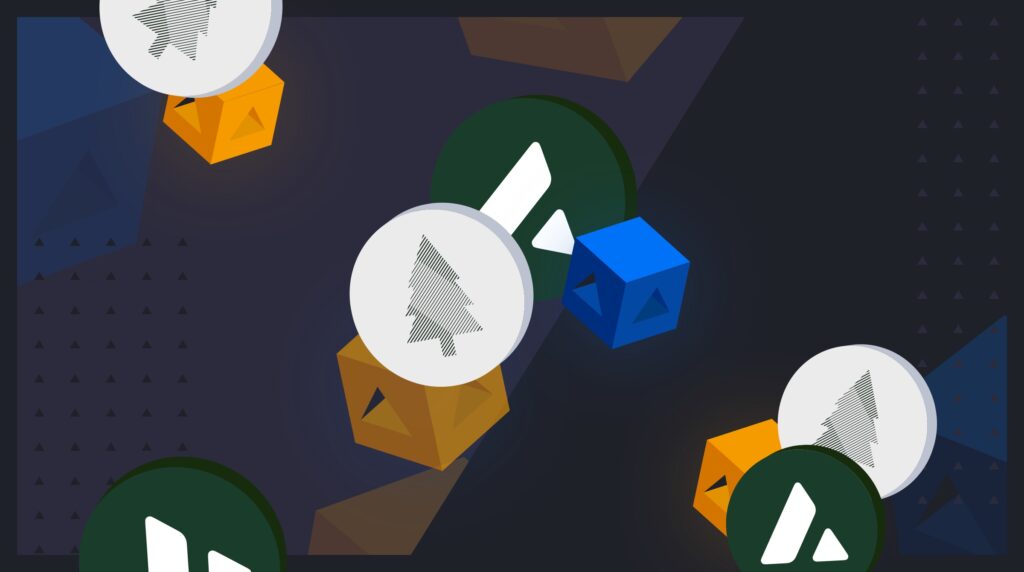
This approach solves the scalability trilemma by distributing load across multiple chains rather than forcing all transactions through a single bottleneck. As the Avalanche ecosystem matures, subnet-based DeFi clusters represent a shift from monolithic chains to modular, purpose-built infrastructure.
Infrastructure tradeoffs for DeFi clusters
Building a DeFi cluster on Avalanche subnets is a structural decision that dictates your security model and operational complexity. When you launch a subnet, you are effectively creating a sovereign Layer 1 blockchain. This offers unparalleled customizability, allowing you to tailor consensus mechanisms and virtual machines to specific DeFi protocols, but it introduces significant tradeoffs in security and interoperability compared to Ethereum Layer 2s.
The primary advantage of Avalanche subnets is throughput and control. The C-Chain on the main Avalanche network already processes around 4,500 TPS, but subnets allow you to scale further by isolating your DeFi cluster from general network congestion. According to Ava Labs, subnets enable developers to build sovereign, customizable Layer 1 blockchains with high throughput and near-instant finality1. This sovereignty means you define the rules of your DeFi ecosystem, from tokenomics to gas fees, without being constrained by the broader network's upgrade cycles.
However, this sovereignty comes at a cost. Security on a subnet is not inherited from the main Avalanche chain in the same way that Layer 2s inherit security from Ethereum. Instead, subnet security depends on the number and stake of its validator set. A new subnet with a small validator set is more vulnerable to attacks than a mature Ethereum L2, which benefits from Ethereum's massive decentralized security pool. Additionally, interoperability between subnets is still maturing. While the X-Chain and P-Chain facilitate asset movement, bridging assets between a custom subnet and external ecosystems like Ethereum or Solana often requires trusted bridges or complex multi-hop processes, introducing potential points of failure.
| Metric | Avalanche Subnet | Ethereum L2 | Other L1 |
|---|---|---|---|
| Throughput | Very High (Customizable) | High (Shared) | Medium-High |
| Security Model | Sovereign (Validator-dependent) | Inherited from Ethereum | Native (Chain-dependent) |
| Customizability | Full (VM, Consensus, Rules) | Limited (Rollup type) | Moderate |
| Interoperability | Developing (Native bridges) | High (Ethereum ecosystem) | Varies (Ecosystem-dependent) |
| Operational Complexity | High (Validator management) | Low (Deploy on existing L2) | Medium |
The decision ultimately hinges on your priority. If you need maximum throughput and complete control over your DeFi protocol's economic parameters, a subnet is the superior choice. If security and ease of interoperability are more critical, leveraging an Ethereum L2 might be safer, despite the tradeoffs in customizability.
Where Subnet-Based DeFi Clusters Actually Shine
Avalanche subnets are a structural solution to the bottlenecks that have long capped DeFi’s reach. By allowing developers to spin up independent blockchains with custom rules, subnets create specialized environments that generic Layer 1s cannot replicate. This architecture unlocks three distinct market opportunities where infrastructure strategy directly translates to competitive advantage: institutional finance, tokenized real-world assets, and high-frequency trading.
Institutional Finance and Compliance
Traditional finance firms do not want to gamble with public, permissionless ledgers. They need privacy, regulatory compliance, and predictable transaction costs. Subnets solve this by allowing institutions to run private or permissioned chains that interoperate with the broader Avalanche network. This means banks can settle trades or manage liquidity pools without exposing sensitive data to the public mempool, while still leveraging Avalanche’s high throughput. The ability to customize consensus mechanisms also allows firms to meet specific regulatory requirements, such as KYC/AML checks at the protocol level.
Tokenized Real-World Assets (RWA)
Tokenizing real-world assets like real estate, bonds, or commodities requires more than just a token standard; it demands a blockchain that can handle complex legal structures and asset-specific logic. Subnets provide a dedicated environment where these rules can be encoded directly into the protocol. For example, a subnet dedicated to real estate could enforce ownership transfer restrictions or dividend distribution mechanisms natively. This reduces reliance on external legal wrappers and smart contract complexity, making tokenization safer and more efficient.
High-Frequency Trading and Custom Logic
For trading platforms and gaming economies, latency is the enemy. Generic blockchains often suffer from congestion during peak times, leading to failed transactions or poor user experiences. Subnets allow traders to build chains optimized for speed, using consensus mechanisms tailored for low-latency execution. This is critical for high-frequency trading strategies where milliseconds matter. Additionally, subnets can implement custom virtual machines that support advanced cryptographic functions or state management, enabling complex financial derivatives or on-chain games that would be impossible or prohibitively expensive on a standard EVM chain.
The market for these specialized DeFi clusters is expanding as enterprises seek infrastructure that balances decentralization with control. Subnets offer a pragmatic path forward, moving beyond the "one chain fits all" model to a more nuanced ecosystem where each subnet serves a specific purpose.
Deploying a sovereign DeFi subnet
Building a sovereign DeFi subnet is less about writing code from scratch and more about configuring a specialized instance of the Avalanche Virtual Machine (VM). Think of this process like setting up a dedicated server room for your bank: you aren't changing the laws of finance, but you are controlling the hardware, the access list, and the consensus rules that govern your specific cluster.
The deployment strategy hinges on two levers: the VM type and the validator set. By choosing the right VM—such as the Coreth EVM for Ethereum compatibility or the Subnet-EVM for lighter overhead—you define the technical foundation. Then, you determine who secures it. Unlike the primary network, which relies on a broad set of validators, a subnet allows you to curate a smaller, trusted group of validators, significantly reducing latency and transaction costs for your DeFi cluster.
1. Choose Your Virtual Machine
Your first decision is selecting the Virtual Machine that matches your DeFi cluster's needs. The Subnet-EVM is the most common choice for DeFi because it offers full Ethereum Virtual Machine compatibility. This means you can deploy standard Solidity smart contracts and use existing tools like Hardhat or Foundry without modification. If you need custom consensus logic or non-EVM functionality, you might opt for Coreth or build a custom VM, but for most DeFi applications, the Subnet-EVM provides the best balance of flexibility and developer familiarity.
2. Configure Validator Set and Staking
Once the VM is selected, you define who validates transactions. On the primary Avalanche network, the minimum staking requirement is 2,000 AVAX, which ensures broad security but can lead to higher latency due to the large number of nodes. For a sovereign subnet, you can reduce this requirement and limit the validator set to a specific number of nodes—perhaps just 3 to 5 trusted entities or high-stake validators. This "consortium" model dramatically speeds up finality, which is critical for high-frequency DeFi trading or liquidity pools.
3. Deploy Using Avalanche-CLI
The Avalanche-CLI is the official tool for orchestrating this deployment. It automates the complex steps of creating the genesis file, configuring the network parameters, and launching the nodes. You will specify your VM type, the initial validator set, and the staking requirements. The CLI handles the heavy lifting of networking and consensus configuration, allowing you to focus on the economic and governance parameters of your DeFi cluster rather than the underlying infrastructure.
4. Integrate and Test
After deployment, the final step is integration. You need to connect your DeFi protocols to the new subnet's RPC endpoint. Because the subnet is isolated, you may need to bridge assets from the primary C-Chain or P-Chain to your new environment. Rigorous testing in a local network environment before mainnet deployment is essential to ensure that your custom validator set and VM configuration perform as expected under load.
Choose the Subnet-EVM for Ethereum compatibility or a custom VM for specialized consensus. This decision defines the smart contract environment and developer tooling for your DeFi cluster.
Configure a curated set of validators with reduced staking requirements. This lowers latency and increases throughput compared to the primary network's broad validator set.
Use the official Avalanche-CLI to automate genesis file creation, node configuration, and network launch. This tool handles the complex infrastructure setup for you.
Connect your DeFi protocols to the new subnet's RPC. Bridge assets from the primary chain if necessary and test performance under realistic load conditions.
Choosing the right subnet strategy
Selecting the correct subnet architecture comes down to matching your application’s specific needs with the right level of isolation and customization. Avalanche’s subnets allow you to create custom blockchains with unique consensus mechanisms, virtual machines, and governance models. This flexibility means you aren’t forced into a one-size-fits-all solution.
Consider your priority: speed, compliance, or interoperability. If you need high throughput for a gaming or high-frequency trading platform, a dedicated subnet with a custom virtual machine offers the performance benefits. For applications requiring strict regulatory compliance, a subnet with specific identity requirements and access controls provides the necessary guardrails. Meanwhile, projects that prioritize seamless interaction with the broader Avalanche ecosystem might opt for a subnet that leverages the C-Chain’s existing liquidity and tooling.
The decision also hinges on your operational capacity. Running a validator node on a custom subnet requires more infrastructure and maintenance than relying on the shared security of the C-Chain. Evaluate your team’s resources against the desired level of control. Ultimately, the best strategy balances technical requirements with practical operational constraints, ensuring your DeFi cluster is built for scale and sustainability.
Common subnet deployment: what to check next
Building a subnet involves trade-offs between sovereignty and overhead. Here are the practical answers to the most frequent questions developers and investors ask.
Footnotes
-
Ava Labs. "Avalanche Subnets by Ava Labs." Quicknode. https://www.quicknode.com/builders-guide/tools/avalanche-subnets-by-ava-labs?category=blockchain-networks. ↩
No comments yet. Be the first to share your thoughts!