Avalanche subnet-based defi clusters market research overview
Institutional DeFi in 2026 is moving away from generic, one-size-fits-all chains toward specialized infrastructure. This research examines how Avalanche subnet-based DeFi clusters are reshaping the market by offering the performance and compliance features that traditional finance requires. Unlike monolithic blockchains, subnets allow developers to create custom blockchains that share the primary network’s security while maintaining independent rules.
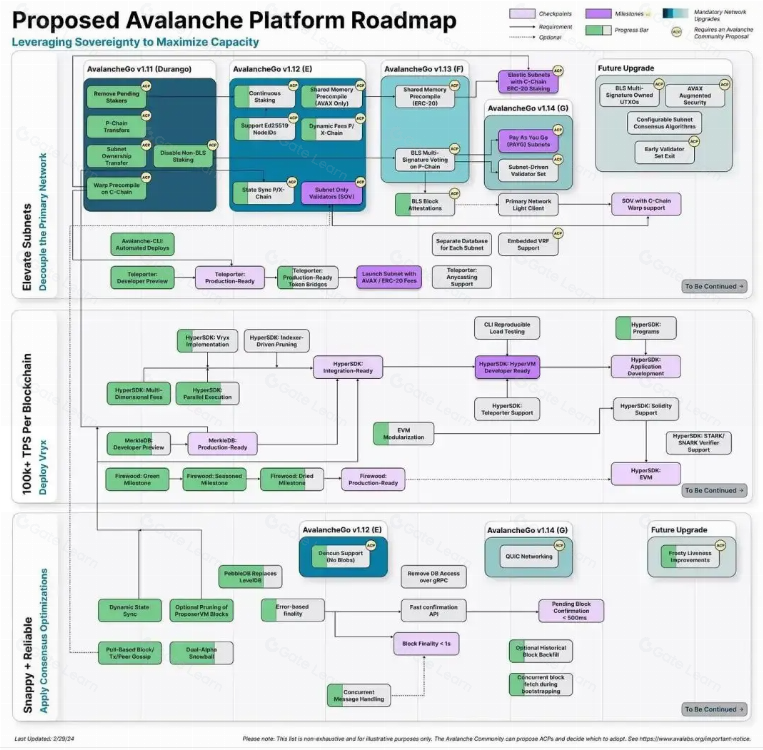
Galaxy Digital’s 2024 protocol overview highlights Avalanche’s unique architecture as a key differentiator for high-performance applications. By enabling parallel processing across multiple subnets, the network avoids the congestion that often plagues other Layer 1s. This structural advantage is critical for institutional players who need predictable latency and throughput for complex financial instruments.
The market research focuses on how these subnet clusters facilitate tailored DeFi environments. Institutions can now deploy subnets with specific governance models, fee structures, and regulatory compliance layers without compromising on the underlying security of the Avalanche mainnet. This shift represents a move from speculative trading to structured, enterprise-grade financial infrastructure.
Subnet Architecture and DeFi Clusters
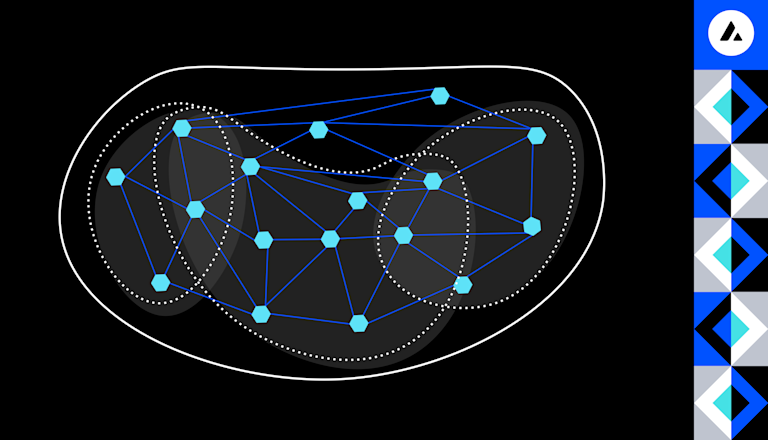
Avalanche subnets function as dynamic subsets of network validators that achieve consensus on one or more custom blockchains. Each subnet operates independently with its own rules while benefiting from the security and infrastructure of the primary Avalanche network. This architecture allows developers to create isolated, high-performance environments tailored specifically for DeFi clusters, ensuring that transaction throughput and latency requirements are met without congesting the main network.
The technical mechanics rely on a three-chain architecture: the X-Chain for asset creation, the P-Chain for validator management, and the C-Chain for smart contracts. Subnets connect to the P-Chain, which coordinates the validators and defines the subnet's parameters. This separation of concerns means that each subnet can implement its own virtual machine (VM), consensus mechanism, and economic model. For DeFi applications, this flexibility is critical, as it allows for the creation of specialized chains that optimize for speed, privacy, or regulatory compliance.
By isolating DeFi clusters on dedicated subnets, projects can achieve significant scalability improvements. Validators on a subnet only need to process transactions relevant to that specific cluster, reducing the computational burden and enabling higher transaction per second (TPS) rates. This isolation also enhances security, as a compromise or congestion in one subnet does not directly impact the performance or security of other subnets or the main Avalanche network.
The interoperability between subnets is facilitated by the Avalanche Bridge and cross-subnet messaging protocols. This allows assets and data to move between different DeFi clusters, creating a unified ecosystem despite the underlying architectural separation. This design supports the growing demand for specialized DeFi products, from high-frequency trading platforms to privacy-focused lending protocols, all within the secure Avalanche ecosystem.
Why enterprises choose subnets
Institutional adoption of the Avalanche subnet-based DeFi clusters market research is driven by the need for isolated, compliant environments. Unlike shared public chains, subnets allow enterprises to run custom blockchains that benefit from Avalanche’s security while maintaining independent governance. This structure solves the friction points that typically stall enterprise blockchain integration: regulatory uncertainty, performance bottlenecks, and rigid fee structures.
Ava Labs highlights that subnets provide the flexibility required for institutional use cases. By decoupling the consensus layer from the execution layer, enterprises can tailor their DeFi clusters to specific operational needs. This means a financial institution can deploy a subnet with custom virtual machines, pre-approved validator sets, and specific compliance protocols without affecting the broader network.
Compliance and customizability
Regulatory compliance is often the primary barrier to entry for traditional finance. Subnets address this by allowing organizations to implement permissioned validator sets and custom access controls. This means that only vetted participants can interact with the DeFi cluster, ensuring that sensitive data and transactions remain within a controlled environment. This level of customization is essential for institutions that must adhere to strict data sovereignty and privacy laws.
The ability to define custom rules for asset issuance and transaction validation allows enterprises to align their blockchain infrastructure with existing legal frameworks. This reduces the risk of regulatory non-compliance and provides a clear audit trail, which is critical for institutional investors and auditors.
Performance requirements for DeFi
High-frequency trading and large-scale DeFi operations require low latency and high throughput. Public chains often struggle with congestion during peak times, leading to high fees and delayed transactions. Subnets solve this by allowing enterprises to allocate dedicated resources to their specific blockchain. This ensures consistent performance and predictable costs, which are vital for institutional-grade DeFi applications.
According to industry analysis, Avalanche subnets offer scalable infrastructure that enables high-performance, low-latency transactions with low fees. This makes them ideal for DeFi platforms that require rapid execution and minimal slippage. The ability to customize the consensus mechanism further enhances performance, allowing enterprises to choose between speed, security, or decentralization based on their specific needs.
Performance comparison: C-Chain vs. Subnet
The following table compares the typical performance metrics of the Avalanche C-Chain against a custom Subnet configured for DeFi workloads. These figures illustrate why enterprises often prefer subnets for high-volume institutional applications.
| Metric | C-Chain | Custom Subnet |
|---|---|---|
| Throughput | ~4,500 TPS | 10,000+ TPS |
| Finality Time | <2 seconds | <1 second |
| Fee Predictability | Variable (Gas Market) | Fixed/Custom |
| Governance | Community-driven | Enterprise-controlled |
Market context
The growth of the Avalanche subnet-based DeFi clusters market research reflects a broader shift toward specialized blockchain infrastructure. As enterprises seek to integrate blockchain into their core operations, the demand for customizable, high-performance solutions continues to rise. This trend is supported by ongoing developments in Avalanche’s ecosystem, which provide the tools and resources necessary for institutional adoption.
Stablecoins and RWAs in Subnet Clusters
Institutional capital is increasingly looking toward Avalanche subnet-based DeFi clusters for stablecoin and Real World Asset (RWA) integration. The architecture allows for customized blockchains that can handle specific compliance requirements, making it easier to tokenize assets that were previously too complex for public chains. Galaxy Digital’s 2024 protocol overview highlights how these subnets provide the necessary flexibility for institutional-grade DeFi, balancing high throughput with regulatory adherence [Galaxy Digital].
Transparency is the primary hurdle for RWA adoption. Space and Time offers specialized data availability tools that allow researchers to track stablecoin flows and RWA performance in real-time. This level of visibility is critical for validating the underlying assets and ensuring that the subnet clusters operate with the integrity expected by traditional finance partners. Without such granular data, institutional investors cannot confidently allocate capital to these specialized DeFi environments.
The convergence of customizable subnet rules and robust data analytics creates a viable path for RWAs. By isolating these assets, projects can avoid the noise of general-purpose DeFi while maintaining access to Avalanche’s security. As the market matures, the ability to audit these clusters through tools like Space and Time will likely become a standard requirement for any serious institutional entry.
Community Sentiment and Network Value
The relationship between subnet adoption and AVAX token value remains the central tension in avalanche subnet-based defi clusters market research. While technical metrics show robust validator participation, the community is actively debating whether this infrastructure translates to tangible economic accrual for the native token.
Discussions within the r/Avax community highlight this uncertainty. Users frequently question how daily active users on high-profile subnets like Off The Grid directly impact the broader ecosystem, noting that game-specific economies often remain isolated from the base layer. This sentiment reflects a broader institutional concern: without clear mechanisms for value capture, subnet growth may not automatically drive price appreciation.
To address these valuation questions, investors monitor real-time market performance. The following chart illustrates the current technical landscape for AVAX, providing context for how network activity correlates with price action.
Frequently asked questions about Avalanche subnets
What are Avalanche subnets?
Avalanche subnets function as dynamic subsets of network validators that achieve consensus on one or more custom blockchains. Each subnet operates independently with its own rules while benefiting from the security and infrastructure of the primary Avalanche network. This structure enables the creation of specialized environments for DeFi clusters without congesting the main C-Chain.
How do subnets support DeFi clusters?
Subnets allow developers to customize gas fees, virtual machines, and governance models. For institutional DeFi clusters, this means tailored compliance features and high-throughput transaction processing. The isolation ensures that specific financial instruments can operate with predictable latency, distinct from the general-purpose C-Chain.
Is subnet security as strong as the mainnet?
Yes, subnets inherit security from the Avalanche Primary Network. Validators must stake AVAX to participate in subnet validation, aligning incentives with the broader network. This shared security model ensures that custom blockchains maintain robust protection against attacks while retaining operational flexibility.
No comments yet. Be the first to share your thoughts!