Why subnets reshape DeFi liquidity
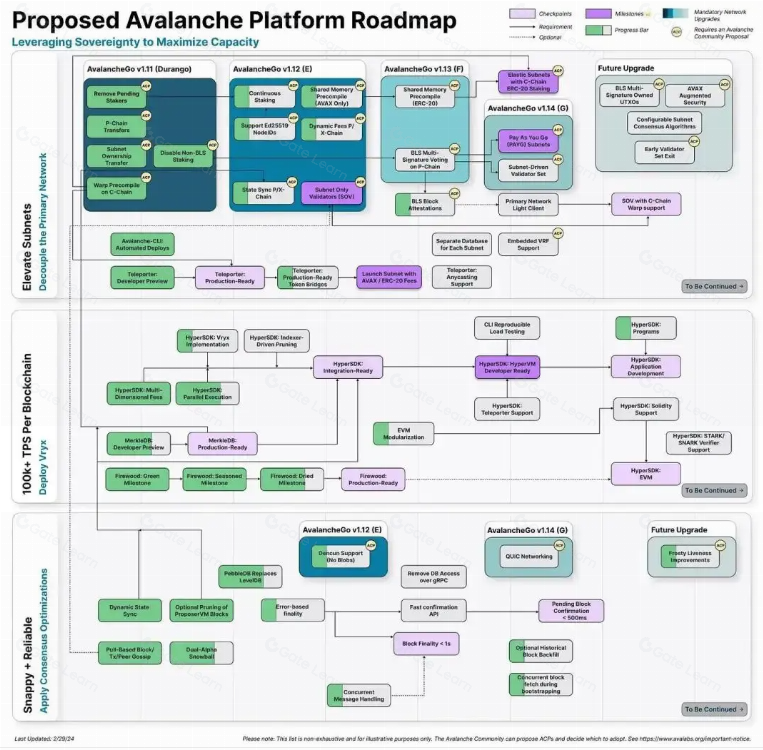
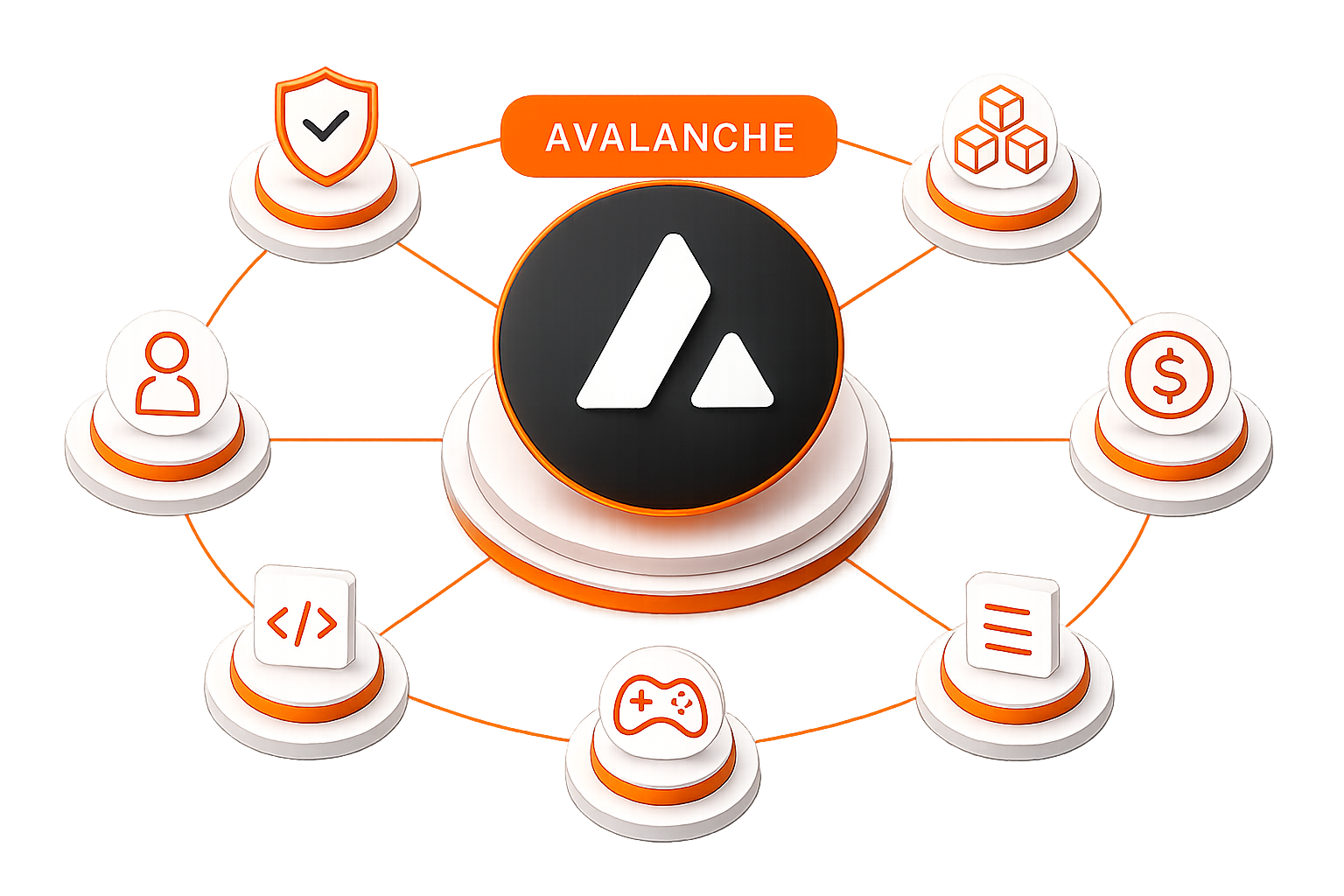
The blockchain industry is moving away from monolithic chains. A single network trying to serve every use case—from high-frequency trading to enterprise compliance—creates a bottleneck. Liquidity gets fragmented, and users pay for congestion they didn’t cause. Avalanche’s subnet architecture changes this by allowing developers to launch sovereign blockchains that connect to a shared security layer.
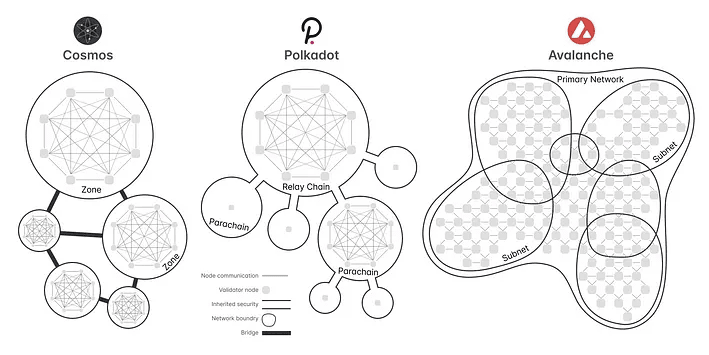
A subnet is not just another sidechain. It is an independent virtual machine that can define its own gas token, governance rules, and validator set. Crucially, it inherits security from the Avalanche Primary Network. This means a DeFi protocol focused on real-world assets can run on a subnet with strict identity requirements, while a gaming subnet runs with zero fees, all while relying on the same robust consensus mechanism.
This shift matters for 2026 market dynamics because it solves the trilemma of scalability, security, and decentralization without forcing a trade-off. Instead of competing for block space, subnets compete for liquidity and developers. This structure allows for specialized liquidity pools that were previously impossible on general-purpose chains.
The impact on AVAX is direct. As more subnets launch, the demand for AVAX to stake and secure these networks increases. This creates a feedback loop where infrastructure growth drives token utility. The chart below shows AVAX’s recent performance, reflecting how market participants are pricing in this structural shift toward modular DeFi.
Top Subnet Clusters by Use Case
Avalanche’s subnet architecture allows developers to tailor consensus and security models to specific economic functions. Rather than forcing every application into a generic layer-1 mold, distinct clusters have emerged that prioritize either decentralized exchange liquidity, gaming throughput, or enterprise-grade compliance.
Decentralized Exchanges: Dexalot
Dexalot operates as a central limit order book (CLOB) subnet, offering a trading experience that mirrors traditional finance while remaining non-custodial. This structure is critical for high-frequency DeFi trading, where slippage and latency can erode profits.
The subnet has processed over 12 million transactions, a volume driven largely by the Avalanche Multiverse incentives program. These incentives, including up to $3 million in AVAX tokens, have successfully bootstrapped liquidity and user activity, making Dexalot one of the most active trading venues on the network.
Gaming and Metaverse: DeFi Kingdoms (DFK)
For gaming, the primary constraint is transaction speed and cost. DFK Chain, the subnet powering DeFi Kingdoms, was built to handle thousands of micro-transactions per second without congesting the main network.
The subnet successfully handled 1.1 million transactions during its peak operational periods. By isolating game logic from general DeFi activity, DFK ensures that sudden spikes in player activity do not impact the broader ecosystem’s stability or increase gas fees for unrelated users.
Enterprise and Institutional: Hard Rock Bet
Hard Rock Bet represents the convergence of traditional sports betting and blockchain technology. As a permissioned subnet, it allows for regulatory compliance and identity verification (KYC/AML) that public chains cannot natively support.
This model appeals to institutional operators who require audit trails and user accountability. The subnet demonstrates how Avalanche can serve high-stakes industries that are traditionally barred from public crypto infrastructure due to legal and operational risks.
Cluster Comparison
The following table contrasts the key performance metrics of these three distinct subnet clusters, highlighting how their architectural choices align with their specific use cases.
| Cluster | Peak TPS | Finality | Validators |
|---|---|---|---|
| DEX (Dexalot) | >1,000 | <2s | 50+ |
| Gaming (DFK) | >4,500 | <2s | 30+ |
| Enterprise (Hard Rock) | Variable | <2s | Permissioned |
Interoperability and Cross-Chain Value
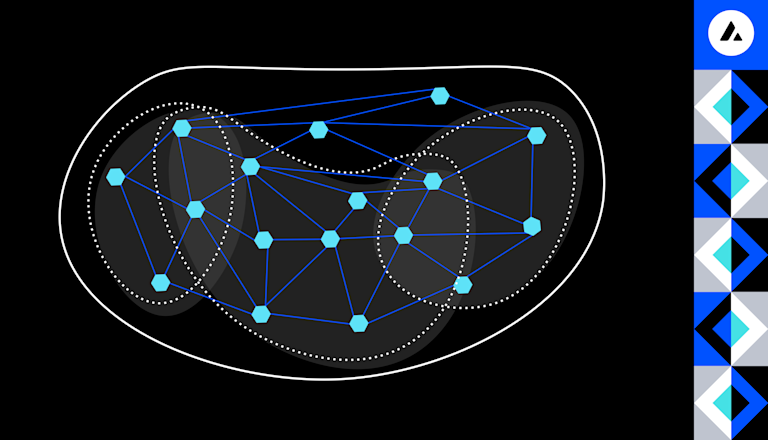
Avalanche’s architecture treats subnets not as isolated silos, but as nodes in a larger, interconnected mesh. This design is driven by the Avalanche Inter-Subnet Messaging (ISM) protocol, which allows distinct blockchains to communicate securely without relying on slow, trust-heavy bridge mechanisms. Instead of forcing assets through a fragile middleman, subnets exchange messages directly, preserving the sovereignty of each chain while enabling shared security models.
This interoperability creates a "cluster" effect. A subnet dedicated to high-frequency trading can settle transactions instantly, while a separate subnet focused on institutional compliance handles identity verification. They share the same underlying consensus security but operate with different rule sets. This modularity allows developers to optimize for specific financial use cases—whether that’s gaming, real-world assets, or private banking—without compromising on the speed or finality that Avalanche is known for.
The result is a network where value flows freely between specialized environments. According to official documentation from Ava Labs, this native communication layer ensures that subnets can verify messages from one another cryptographically, eliminating the need for external relayers. This reduces attack surfaces and lowers latency, making it viable for high-stakes DeFi applications that require near-instant finality across multiple chains.
To understand the scale of this ecosystem, consider the performance metrics of the base Avalanche C-Chain, which serves as the primary settlement layer for most DeFi activity. The network consistently handles thousands of transactions per second, providing the throughput necessary for complex cross-subnet interactions.
The integration of these subnets into a cohesive cluster means that liquidity is no longer fragmented. Assets can move between specialized chains as easily as they move between exchanges, creating a unified market depth that rivals centralized platforms. This structural advantage positions Avalanche’s subnet-based DeFi clusters as a robust infrastructure strategy for 2026, where scalability and specialization must coexist.
Market adoption and incentive structures
The Avalanche ecosystem is shifting from experimental subnet deployments to institutional-grade DeFi clusters. This transition is less about speculative hype and more about tangible throughput and specialized infrastructure. Subnets are no longer just isolated testbeds; they are becoming the primary vehicles for high-frequency trading and compliant asset issuance, leveraging Avalanche’s parallel processing capabilities to handle loads that single-chain architectures cannot support.
Institutional interest is currently being catalyzed by targeted incentive programs like the Multiverse initiative. These programs provide critical liquidity and technical support to projects that meet specific performance and security criteria. For example, Dexalot, a decentralized exchange operating on a dedicated subnet, recently secured up to $3 million in AVAX incentives from the Avalanche Foundation. This funding underscores a strategic focus on Central Limit Order Book (CLOB) architectures, which offer the price discovery speed and depth required by professional traders and institutional desks.
The underlying asset’s market performance reflects this maturation. As capital flows into specialized subnets, the demand for AVAX as the native gas and staking token increases, creating a feedback loop that stabilizes network economics. The current market valuation of AVAX serves as a real-time indicator of investor confidence in this subnet-centric model.
While broader market trends remain volatile, the structural advantage of subnets lies in their ability to isolate risk and optimize for specific use cases. This allows DeFi protocols to operate with lower latency and higher throughput without congesting the primary C-Chain. The result is a more resilient DeFi ecosystem where specialized clusters can thrive independently, yet remain secured by the Avalanche consensus layer.
Subnet Deployment Checklist
Before committing capital or code to an Avalanche subnet, run through this five-point technical and strategic audit. This framework filters out experimental noise and isolates clusters with genuine liquidity depth and regulatory clarity.
Subnets allow custom validators, but decentralization matters. Check if the validator set is permissioned or permissionless. A small validator pool creates a single point of failure, while a large set increases latency. Look for subnets that mirror the mainnet’s security model to ensure institutional-grade reliability.
Liquidity fragmentation is the primary killer of subnet DeFi. Ensure your subnet has clear bridges to the C-Chain or Ethereum. Without deep liquidity pools, slippage will erode trading volumes. Review the token emission schedule; high inflation on a new subnet token can crash yields before the protocol matures.
Don’t rely on theoretical maximums. Run actual load tests against the subnet’s testnet. Avalanche subnets can handle thousands of TPS, but real-world DeFi interactions—swaps, approvals, and oracle updates—add overhead. If your cluster slows down during peak hours, the architecture needs rethinking before mainnet launch.
Subnets thrive on connectivity. Verify that your subnet supports the Avalanche Inter-Subnet Messaging (ISM) protocol. This allows seamless asset transfers without wrapping tokens in complex, risky bridges. Interoperability reduces user friction and expands your total addressable market beyond the subnet’s isolated ecosystem.
If your subnet hosts tokenized real-world assets (RWA), KYC/AML capabilities are non-negotiable. Check if the subnet allows for permissioned accounts or whitelisted addresses. A compliant infrastructure prevents future legal bottlenecks and attracts institutional capital that cannot operate in fully anonymous environments.
This checklist ensures your subnet isn’t just a technical novelty, but a robust financial infrastructure ready for scale.
Frequently asked: what to check next
How much does it cost to launch a subnet?
Creating a subnet requires staking AVAX on the Primary Network to secure the new chain. The exact amount depends on the number of validators you choose to run, but you can start with a minimal configuration. This model keeps initial capital requirements low while ensuring the network remains decentralized and secure.
Is a subnet secure or just a private blockchain?
Subnets are sovereign Layer 1 blockchains, not private silos. They inherit the security of the Avalanche Primary Network through the validator set. This means your custom chain benefits from the same high throughput and near-instant finality as the main network, backed by a robust, distributed validator base.
Can I use existing tools with my subnet?
Yes. Subnets are EVM-compatible, meaning you can use familiar tools like MetaMask, Hardhat, and Foundry. Developers can deploy smart contracts using standard Solidity code, making the transition from Ethereum or other EVM chains seamless without rewriting your entire infrastructure.
No comments yet. Be the first to share your thoughts!